

Baby bouncer: from what age and until when to use it
A baby can be placed in a bouncer chair from birth, provided you choose a model suited to newborns: our advice for safe and peaceful use.

Baby bouncer: from what age and until when should you use it in 2026?
A baby can go into a bouncer from birth, provided you choose a model designed for newborns and an incline that firmly supports their head; use then remains suitable until around 9 months, or as soon as the child can sit up unaided and exceeds the manufacturer's maximum weight, usually around 9 kg. Between these two milestones, a few simple rules—limited duration, always fastening the harness, and using a stable surface—allow you to make the most of this early development tool in complete safety, without ever replacing parents' arms or supervision.
From what age can you put baby in a bouncer?
A baby can go into a bouncer from birth, provided the model is suitable for newborns and the recline properly supports their head and neck. This is the real criterion, far more reliable than a simple age number: before head control is fully developed, the child needs firm, snug support.
Around 3–4 months, when head control improves, you can slightly raise the backrest to open up their field of vision towards the toy arch or the faces around them. In practice, most baby bouncers are used from birth up to around 9 months, or until the child sits up unassisted and actively tries to pull themselves up: from that point on, the bouncer is no longer suited to their motor development, and the harness, even properly adjusted, is no longer enough to restrain their urge to move.

When to stop using a bouncer: the signs that indicate the end of use
Rather than a single age, three concrete signals indicate when it is time to stop using the bouncer.
- Weight: most models set a limit of around 9 kg, a threshold specified by the manufacturer in their instructions and which should be respected for the safety of the child's back.
- The sitting position: as soon as your baby is able to sit up unaided, the bouncer loses its primary purpose. Their spine no longer needs this semi-reclined support, and the child naturally seeks a more upright position to observe, reach, and interact.
- Emerging mobility: a baby who wriggles, arches their back, attempts to roll over or to climb out of the harness is sending a clear message. The bouncer inherently restricts this free movement, which is nonetheless essential to their motor development.
In practice, this transition most often occurs between 7 and 9 months, but every baby has their own rhythm: some leave the bouncer earlier if they are particularly strong, others a little later. It is better to rely on the child's actual abilities and vary their positions rather than on a fixed date, and to plan ahead with a play mat on the floor or a high chair suited to this new stage.
How long should you leave your baby in their bouncer each day?
On average, one hour per day is the maximum for a baby placed in a bouncer chair, across all models, whether a fixed bouncer or a swing. This cumulative duration matters more than the number of times the child is placed in it: several short sessions of 15 to 20 minutes spread throughout the day are preferable to one long uninterrupted period. The bouncer keeps baby in a semi-reclined position where the weight of the upper body rests on the vertebrae rather than on a back that is still not very muscular, which is why attention should be paid to cumulative time rather than to any single isolated session.
There is no need to feel guilty about it: the bouncer remains a valuable everyday ally, provided you vary your child's positions throughout the day. Between naps, time on the play mat, babywearing and time in parents' arms, it naturally finds its place without becoming the sole resting or play spot for your baby. A few signs can help you adjust the time spent in it: a baby who cries or slumps in their seat is signalling discomfort, and they should then be taken out and cradled.
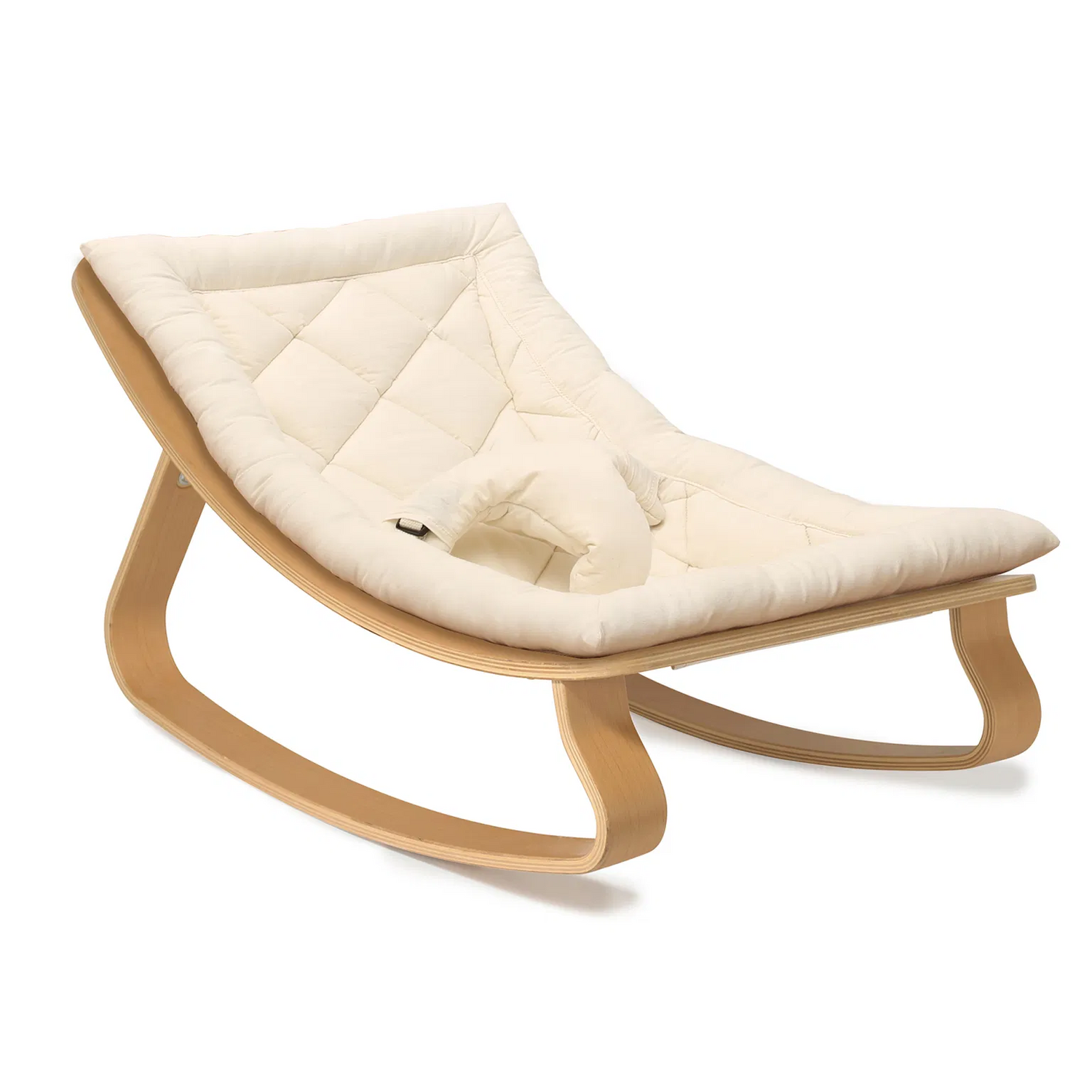
At Charlie Crane, the LEVO bouncer chair and the NEWBORN shell are designed to accompany these moments of wakefulness and rest with an incline suited to baby's morphology, a safety harness and soft fabrics — everything you need to enjoy the bouncer chair with peace of mind, within a reasonable time limit.

Safety and design criteria to check before choosing a bouncer
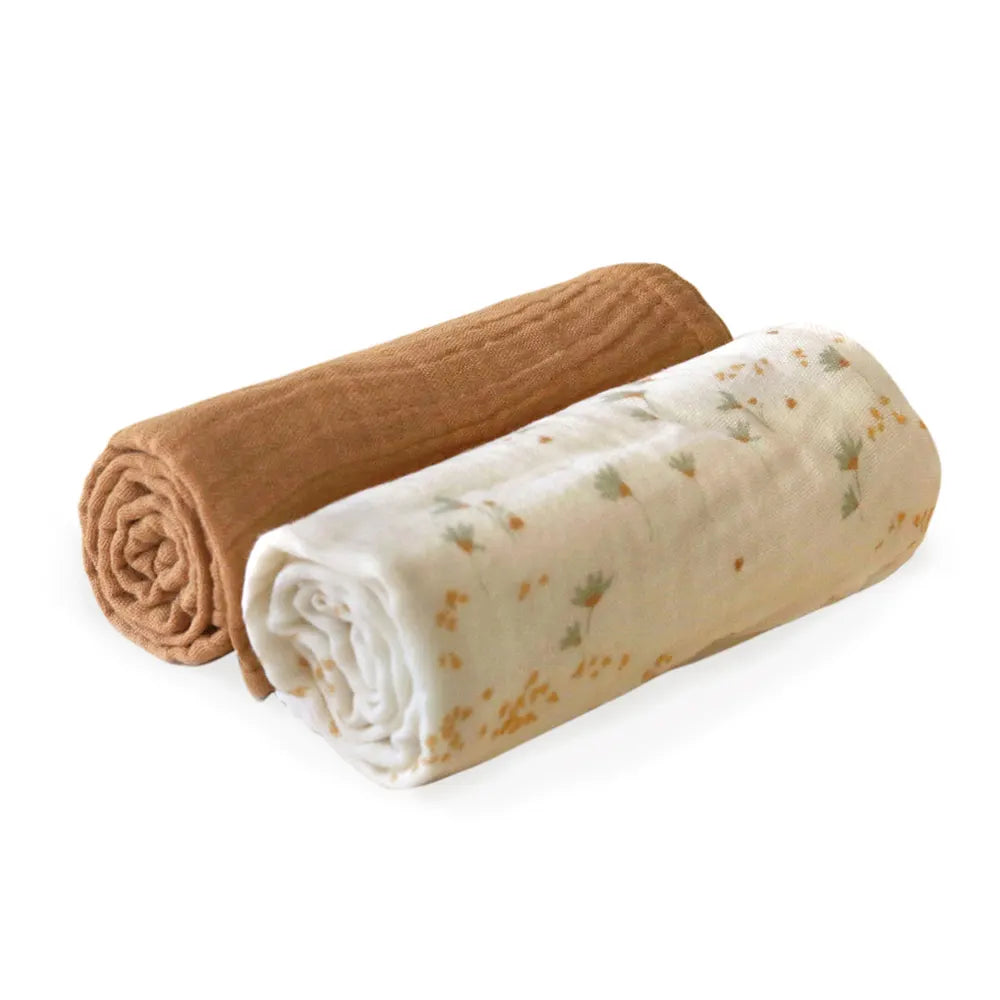
Two elements take priority before any purchase: the harness, with 3 or 5 points depending on the model, which must keep your baby secure without ever restricting their play, and a stable seat that respects the physiology of their back and head. The comfort of the fabric matters just as much — a soft, washable and breathable material makes every moment more pleasant, for both baby and parents. Finally, an adaptive model capable of growing with the child remains a wise choice to avoid purchasing new equipment just a few months after birth.
Charlie Crane bouncers designed to accompany every stage of your baby's development
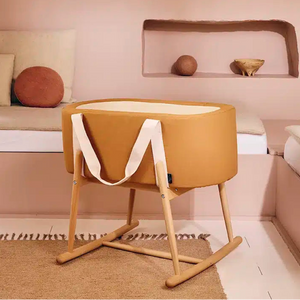
At Charlie Crane, the rocker collection was designed to support baby from birth, without imposing a one-size-fits-all approach whatever their age. The LEVO baby rocker embodies this philosophy of adaptable furniture: its ergonomic reclined position respects a newborn's body shape while adapting, month after month, to an older baby's awakening curiosity. Its 3-point harness ensures continuous safety, while its lightweight structure in beech or oak wood, paired with an organic cotton cushion, makes it a cocoon that is as gentle on the skin as it is kind to the environment. An activity arch can be added to stimulate baby's curiosity as soon as they start engaging with their surroundings.
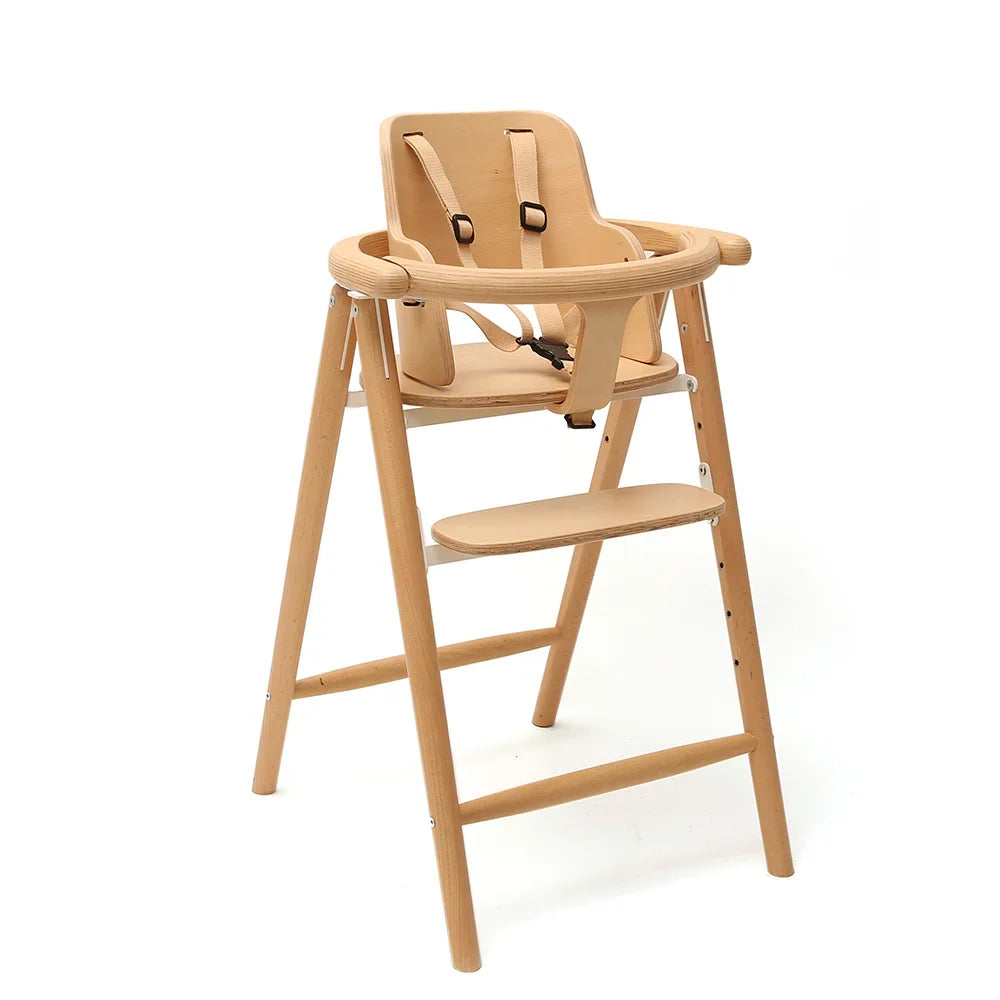
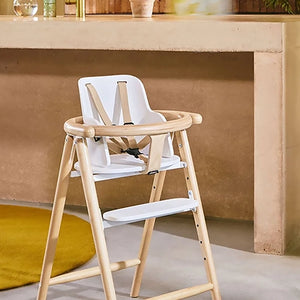
For the very first months, the NEWBORN set for the TOBO high chair offers a complementary alternative: a breathable fabric that wraps your newborn like a cocoon, two positions designed to alternate between waking moments and rest, and a 5-point harness for total peace of mind from birth. Raised off the ground, it brings baby up to table height—a real plus for sharing family meals without having to bend down.
Between the LEVO and the NEWBORN, every parent can choose the bouncer that matches their child's current stage, with full confidence in both safety and the gentleness of the materials.

Frequently asked questions
Can you use a bouncer from birth? Yes, provided the model is designed for newborns and offers an incline that firmly supports the head and neck, which are still fragile at this age.
Up to what age can you use a baby rocker? Most models are designed for use up to around 9 kg or until baby can sit up unaided, which usually corresponds to around 7 to 9 months.
How long per day can baby stay in a bouncer? Around 30 to 45 minutes per session, not exceeding a cumulative one to two hours per day, while remaining attentive to signs of tiredness or frustration in the child.
What are the signs that it's time to stop using a baby rocker? When baby can sit up unaided, reaches the maximum weight specified by the manufacturer, or shows increasing mobility that prompts them to try to roll over or pull themselves out of the harness.


