

A coffee with Gaspard Tiné-Berès, designer at Charlie Crane
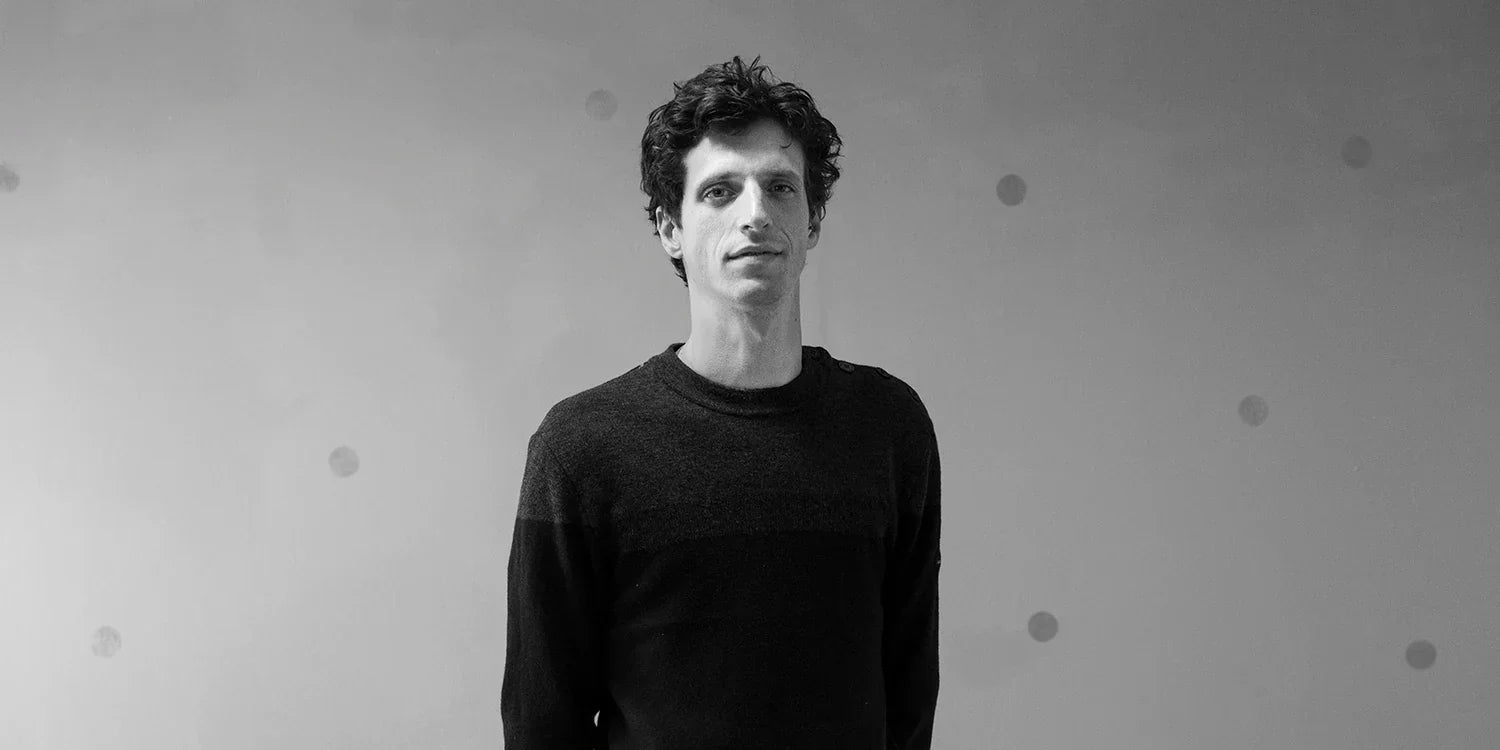
For this first interview, we sat down with Gaspard Tine-Beres, a French designer who has been working with the brand for nearly ten years. He told us about his creative process, the future of Charlie Crane and, above all, his ambition to offer responsible products, far removed from planned obsolescence. If you love design (or are simply curious), settle in comfortably for a coffee with Gaspard…
1 – Hello Gaspard! Could you briefly tell us about your background and how your path crossed that of Charlie Crane?
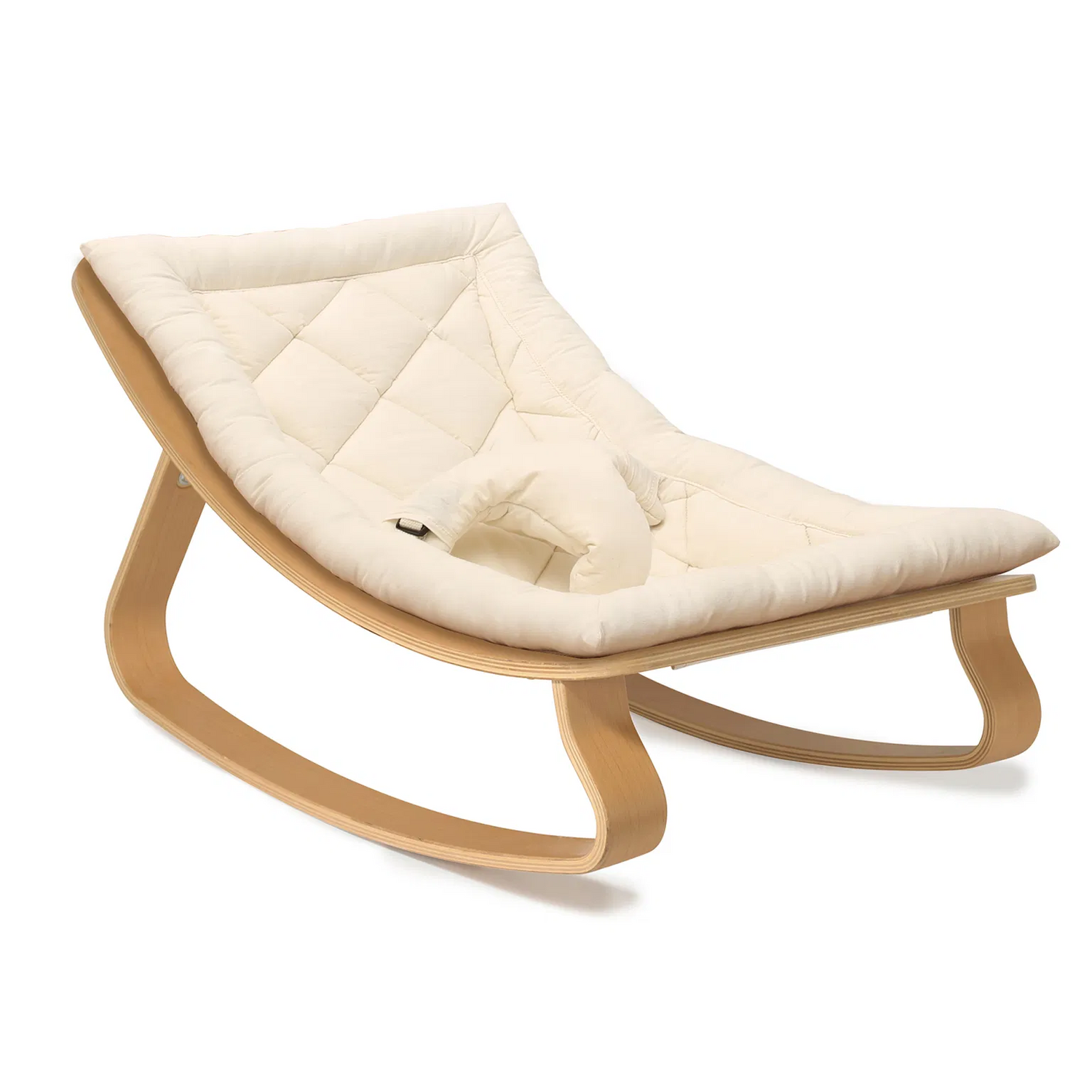
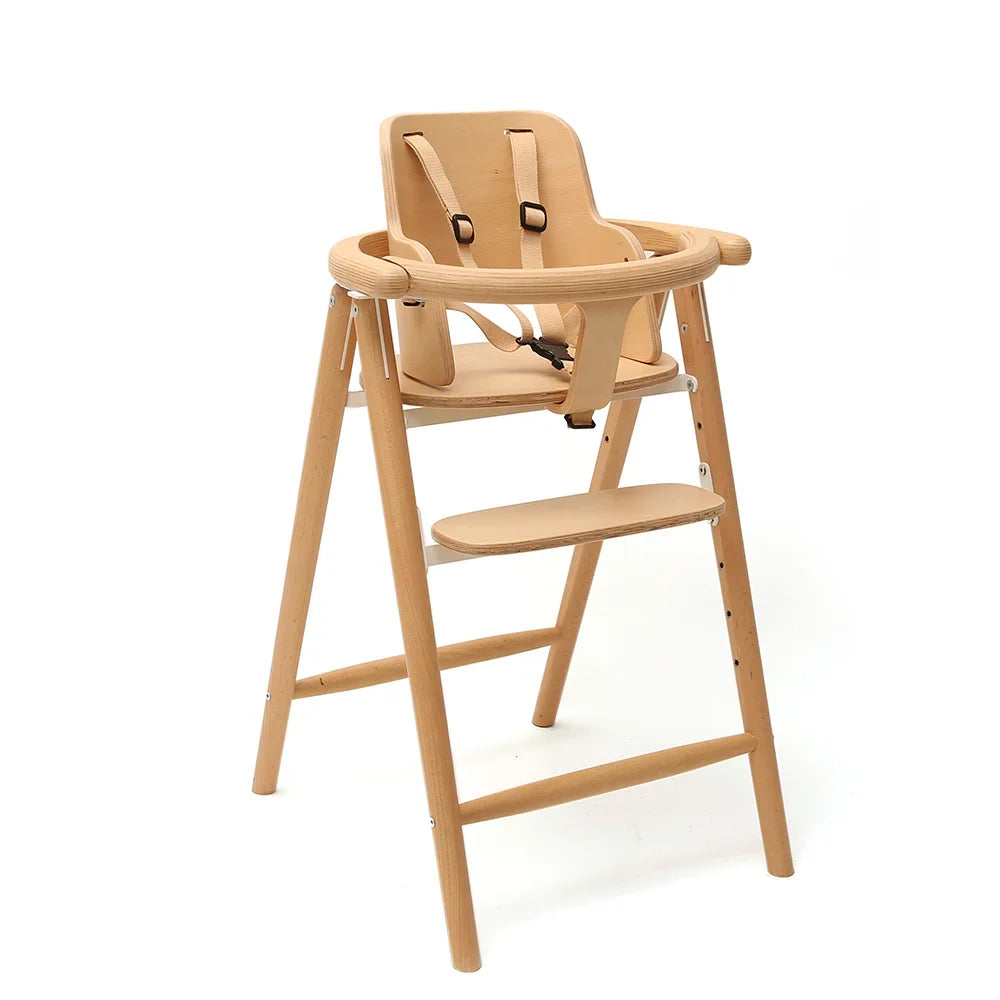
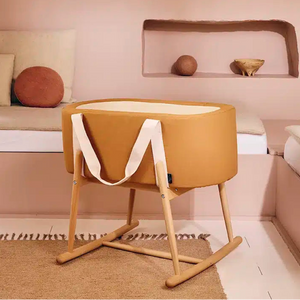
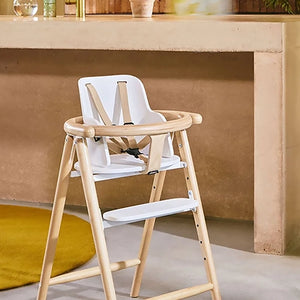
I've wanted to do design, and more specifically furniture, since childhood. I then went to an art school in Reims and completed a master's degree at the Royal College of Arts in London. I met Thomas Lepine by chance just after finishing my Master's. On his side, he had already launched Charlie Crane with the LEVO (bouncer) and the NOGA (changing table). He was looking for a new designer to bring him new models. We wanted to work together on a high chair project: the TIBU.
2 – How does your duo with Thomas work? What brings you together?
We work well together (laughs). It's no surprise — we've been working together for nearly 10 years! And when I say together, I mean really together! We share an ambitious vision for the Charlie Crane brand and we're constantly thinking about what might be missing from the range. What's great is that he gives me a lot of freedom to draw and create. We do have disagreements sometimes, but they're always honest ones. The important thing is to keep the conversation open… In the end, we always arrive at products that we're both very proud of and that we've truly co-designed, from A to Z. But what brings us together above all is our deep desire to bring something new to the children's furniture market.
3 – What is your creative process (from the moment you imagine a product to the moment it comes to life)?
Often, I start from an idea that's been "floating around" in my head. And I let it emerge, little by little, sharpening my eye until I arrive at a proposal that I present to Thomas. If he likes it too, we move on to step two: the design process! It's a long back-and-forth process with the factories and prototypers that requires great tenacity. Then we have to pass the safety standards, which can sometimes be veeery complicated! In short, we work like ants to bring our ideas to life.
4 – More of a pencil person or a fan of new technology?
I love drawing and sketching. For me, that's how ideas emerge. After that, it's only a small part of the iceberg, because on a daily basis we mainly work with design and digital manufacturing software. Our partner factories have state-of-the-art equipment and new technologies allow us to achieve great precision. When designing a new product, I always keep in mind the people and machines that will make them, and I think about the best way to communicate with them. I also find that new technologies enable human-scale factories to produce very complex pieces of consistent quality. It's a very interesting new paradigm — for them and for us, as a young design house!
5 – Charlie Crane furniture is very much inspired by the fifties. Are there any designers or iconic pieces from that era that inspire your work on a daily basis?
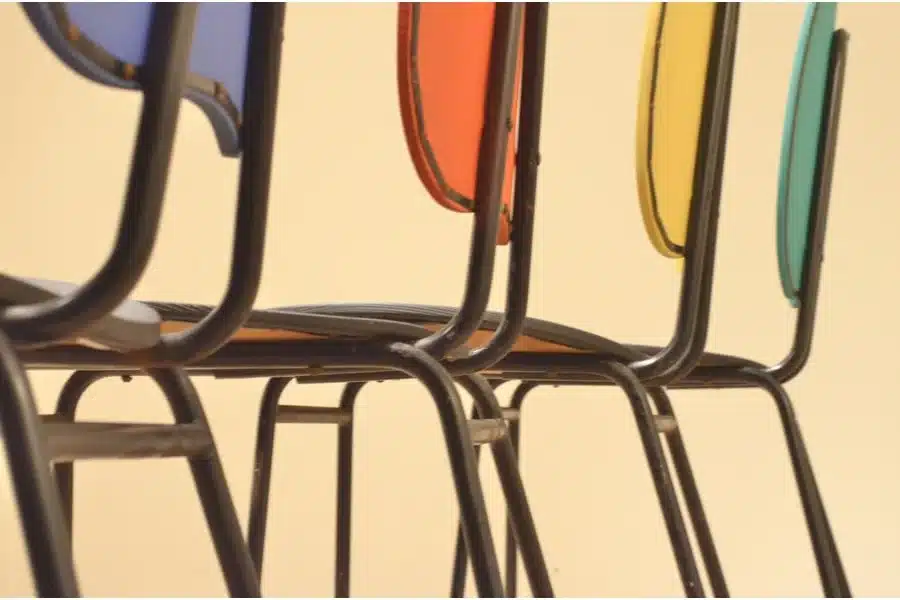
Absolutely! Thomas and I share a genuine passion for design and we're both fascinated by the early days of industrial design. By that I mean the era of Eames, Perriand and Prouvé — whom I consider a genius! Our favourite is Jacques Hitier — a great designer who is unfortunately little known.
For me, the fifties were something of a golden era for design: designers had fewer constraints than today and a real curiosity for discovering new manufacturing methods.
6 – What, in your opinion, defines a design as "contemporary"?
More than aesthetics, it's the production methods and constraints that make a design contemporary. It's a piece that isn't just beautiful but also has an affordable price and, above all, is manufactured with an ecological logic. A contemporary design must make savings in terms of materials used, packaging and transportation.
Bringing a new product to market today means taking on a responsibility: that of thinking about its ecological footprint.
7 – Could you tell us about the next pieces you're working on?
We're working on lots of things at the same time! New beds, storage systems and even accessories. But what drives us most right now is collaborating more closely with other design studios. We'd like to take a genuine publishing house approach by reaching out to young talents whose work we admire, to further extend the Charlie Crane range.
8 – As a young dad, which Charlie Crane product do you consider essential — the one that absolutely must be on every baby shower list?
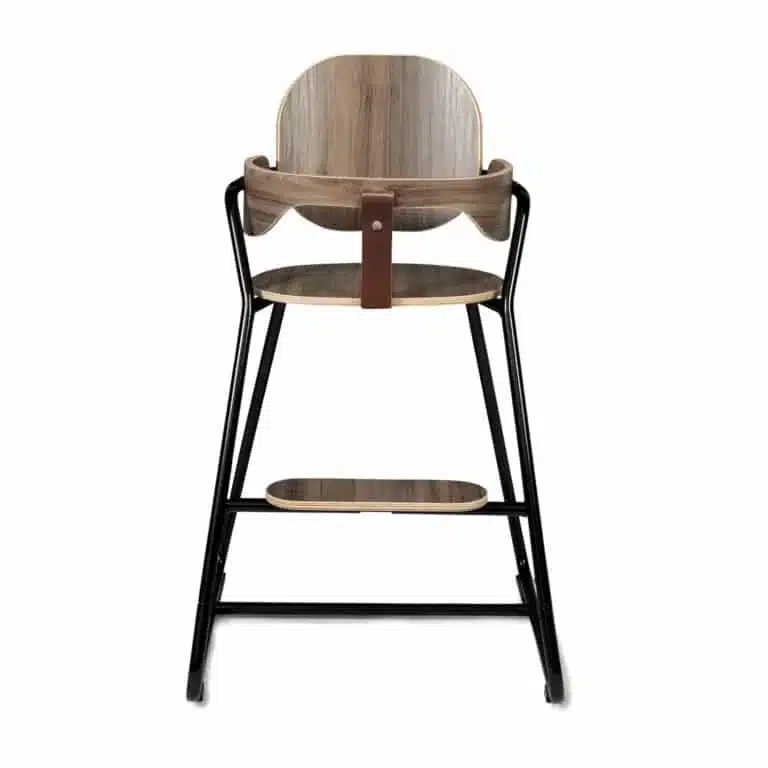
My children obviously have all the products in the range and I've loved watching them grow up with them! But I have a soft spot for the TIBU chair, the first product I designed for Charlie Crane. It's a chair that allows a child to truly sit at the table with the family. They're safe and at the right height to share a convivial family moment. On top of that, it's an adaptable product that can be used for a long time — my 5-year-old daughter still uses it… and that's not about to change!
9 – If you had a superpower, what would it be?
I would make trees grow faster than we cut them down.
10 – The object of the future you'd love to imagine?
In my wildest dreams, I'd love to invent a packaging material that's truly effective and completely carbon-neutral.


