


Mealtime, baby: let's get started with weaning!
Charlie Crane: Clémence, could you introduce yourself and tell us what you do?
Clémence Maumené: I studied food engineering. When I had my first child, it was really important to me to prepare home-cooked recipes for them. Over time, I became the go-to weaning expert among my friends. I realised it wasn't as simple as it seemed. You ask yourself so many questions: when do you introduce this, when do you find time to cook in your already busy days… In any case, my friends were struggling with it. Originally, I created "Cuisinez pour bébé" as a sharing blog where I posted my recipes and batch cooking techniques. As it turned out, my friends weren't the only ones finding it hard — the blog took off quickly. Now I offer a weekly baby menu with all the batch cooking recipes. I also wrote a book "Cuisinez pour bébé" with around a hundred recipes tailored to weaning. We also have a mobile app.

Charlie Crane: From what age can you start weaning?
Clémence Maumené: My advice is based on scientific studies and official recommendations. Today, we say that the best window is between 4 and 6 months, for many reasons. This is the period when baby's digestive maturity develops. They can eat things other than milk, which in any case no longer covers all their nutritional needs. It is also the right time to help limit allergies.
Charlie Crane: What are the key stages of weaning?
Clémence Maumené: They are for guidance only. All children are different — if you don't fit the mould, there's no need to worry! We break it down into 4 key stages:
- Between 4 and 6 months: the time of first meals. Baby discovers smooth textures. You can offer plain vegetable purées, simply prepared. All food groups can be introduced. The most interesting approach is to get them used to vegetables, as these are the foods most likely to be rejected and yet the most nutritious.
- From 6–8 months: it's all about variety. Ideally, introduce as many flavours as possible — experiment with spices, aromatic herbs, and a wide range of foods. From 6 months, you can add a small smooth spoonful of blended meat at lunchtime, as baby needs more iron — around 10 grams of protein per day, though protein isn't required every single day! Move towards less smooth textures. Once baby can sit upright, the risk of choking decreases.
- Chewing develops around 9–12 months: this is the time for textures and complete meals. You can introduce foods that require chewing, such as very ripe fresh fruits, small pasta shapes mixed into purée to add texture. It's also the right moment to try non-blended cereals in small dishes.
- From 12 months: baby is able to eat everything — they're growing up and moving towards eating from the family plate!


Charlie Crane: What are the right conditions for starting weaning?
Clémence Maumené: It's best to start on weekends or during the holidays so you're available and relaxed. For a baby, this is an enormous novelty. This first experience is a wonderful moment of sharing. For years, weaning was treated as a medical milestone, when in fact eating is a joy. We're not just filling our babies up! In fact, we absorb nutrients better when we eat mindfully, with pleasure.
Charlie Crane: How do you give a baby their first meals?
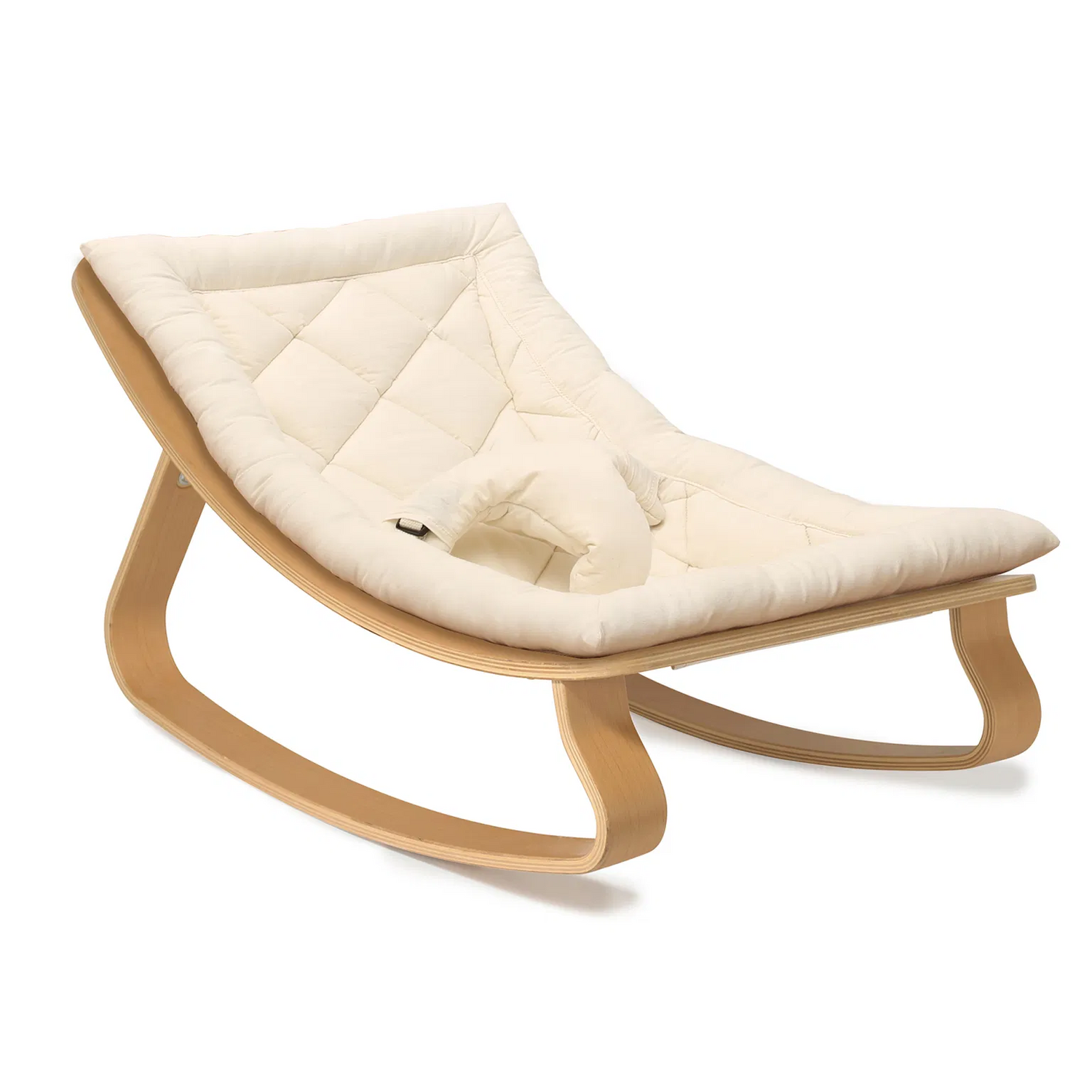
Clémence Maumené: In addition to having the time, I would recommend placing baby in a reclined bouncer seat or holding them close. With the first spoonfuls, there are no nutritional goals — it's all about the experience. It doesn't matter if they get messy; it's often a moment you film and share with loved ones… Don't worry if they haven't eaten enough. If they don't want the spoon, you can put a little on your finger for them to suck. Let them play with the spoon outside of mealtimes. No pressure with the first meals — especially since babies pick up on it!
Charlie Crane: When should you put your baby in a high chair for meals?
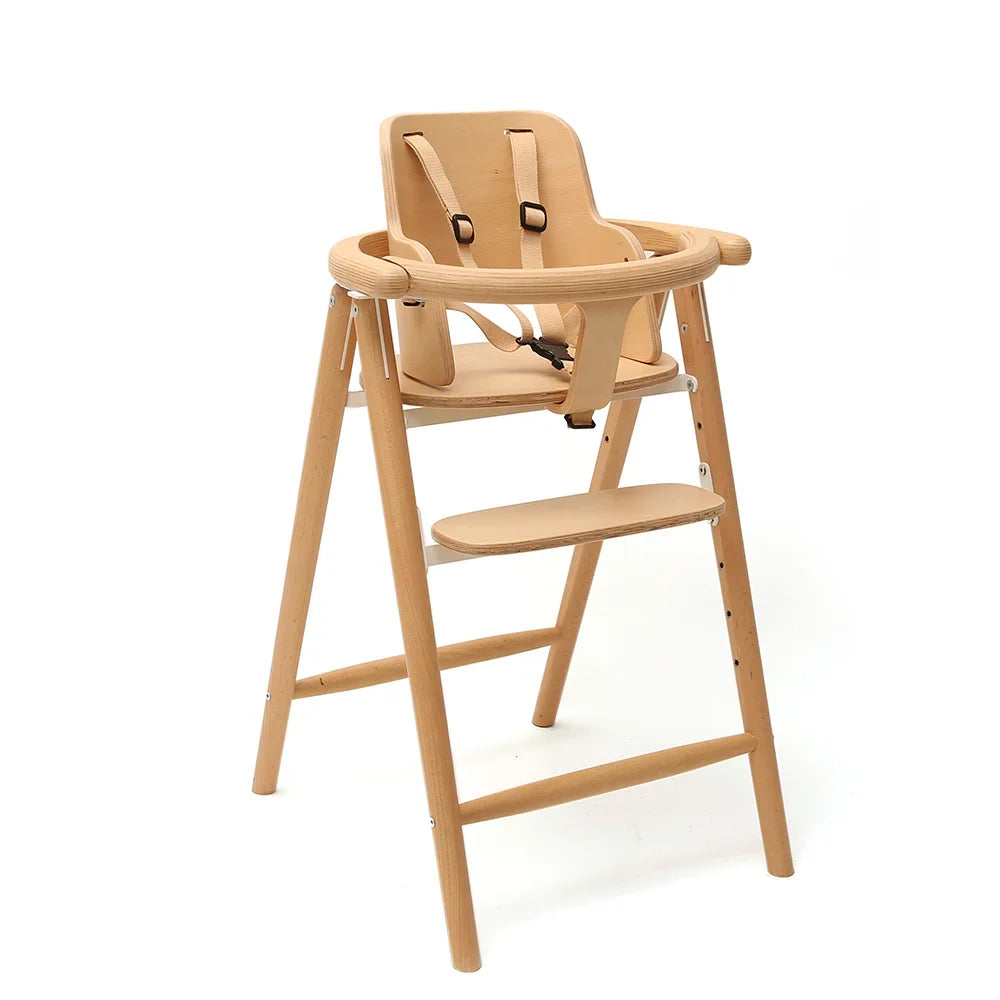
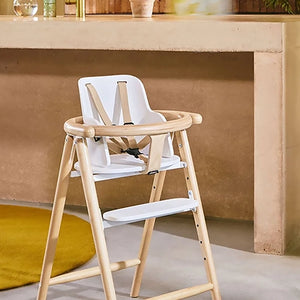
Clémence Maumené: From the moment baby can sit up on their own, generally around 6 months. Ideally, choose an adjustable high chair that will grow with you for a long time. I would also say at table height, to keep that convivial, family atmosphere. The advantage of adjustable high chairs is that when the child is ready, they can sit down on their own, completely independently.
Charlie Crane: Is it a problem if you've got confused and missed some key stages?
Clémence Maumené: Stop feeling guilty! I firmly believe we all do the best we can with what we know. Sometimes I hear from panicked clients who tell me they didn't do this or that with their children… Recommendations evolve. Today we're told to give follow-on milk until the age of three, but that hasn't always been the case… The essential thing is not to force your child and to enjoy the process.
Charlie Crane: What is BLW?
Clémence Maumené: It's Baby-Led Weaning. I don't see it as the opposite of traditional weaning. Thanks to finger foods, babies can touch and discover textures (from 6 months). Give a piece of fruit for dessert. Touch the fruit and use a spoon. The element of autonomy at the table is also interesting. I don't put labels on things because the methods complement each other!
Charlie Crane: And when baby doesn't want to taste anything or doesn't like anything, what do you do?
Clémence Maumené: Some children need more time. It's said that a food needs to be offered at least 10 times before it's accepted, without forcing. When there is genuine disgust, don't hesitate to offer the food in different forms. For example, a carrot can be served as a stick or as a purée. Some children need to touch food before putting it in their mouth. If it becomes a real issue, don't hesitate to consult your paediatrician. In cases of oral sensory difficulties, they can refer you to an occupational therapist and a speech therapist.
Charlie Crane: You mention batch cooking — what is it?
Clémence Maumené: It means cooking all of the week's dishes in one go. In under 2 hours, parents prepare ten meals to cover Monday to Friday. You keep in the fridge what you'll eat within two days and freeze the rest for the week. It takes time, but it's home-cooked and you benefit from it all week long. The trickiest part is planning the menu — that's where our added value lies. Offering variety while optimising the menu is what we provide on our website and in my book.
Charlie Crane: Ultimately, what is the most important thing at this weaning stage?
Clémence Maumené: Strict advice can sometimes be guilt-inducing. You must do this and that… Some recommendations are good, but you shouldn't get too rigid about the guidelines. Adapting, picking what works for you, and adjusting to your own baby are essential — otherwise it becomes a source of stress, frustration, and irritation. Always keep in mind that pleasure is at the heart of eating!
A huge thank you to Clémence and Jonas for their time!
Find out more at cuisinez-pour-bebe.fr/


