

Baby massage: benefits, techniques and tips for practising it well

Baby massage is a gentle and soothing ritual, beneficial for both child and parent. Relaxation, digestion, sleep, attachment… this simple gesture carries many benefits. But when and how should you massage your baby? And what techniques are safe to use? Follow Charlie Crane's advice.
What are the benefits of massage for babies?
- Promotes the attachment bond between parent and child
- Stimulates non-verbal communication (listening, observing reactions)
- Brings deep relaxation and calm
- Improves sleep quality through melatonin
- Reduces stress and crying in newborns
- Improves digestion and relieves colic and gas
- Stimulates blood circulation
In what conditions should you massage your baby?
Set up in a quiet, spacious and comfortable space: play mat, parental bed, or a stable and suitable changing table. Our Charlie Crane changing tables are ideal for creating a safe and warm space conducive to your baby's well-being.
Remember to remove rings and bracelets to avoid scratching your child's delicate skin. Create a soft, dimly lit atmosphere so this moment becomes a true sensory cocoon.
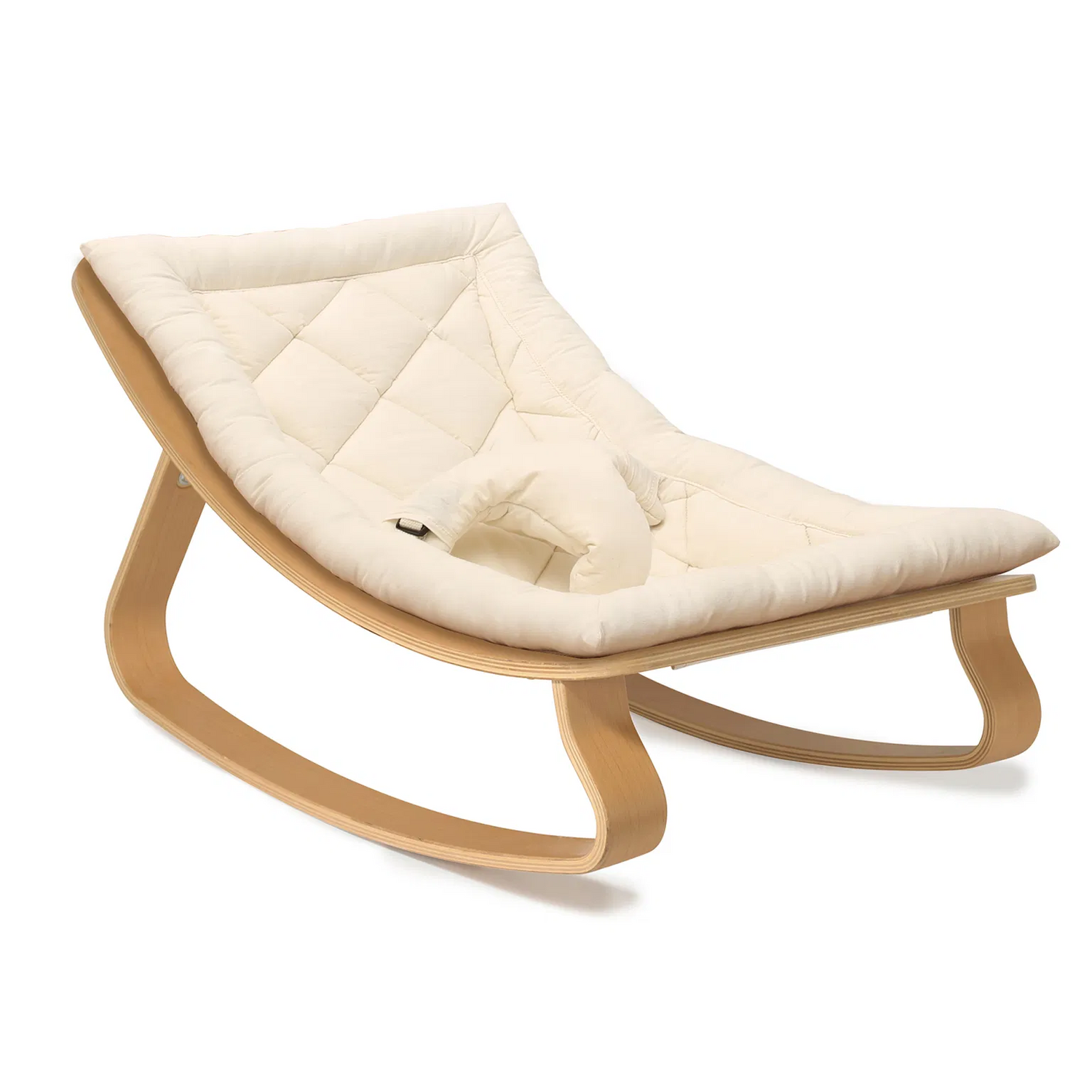
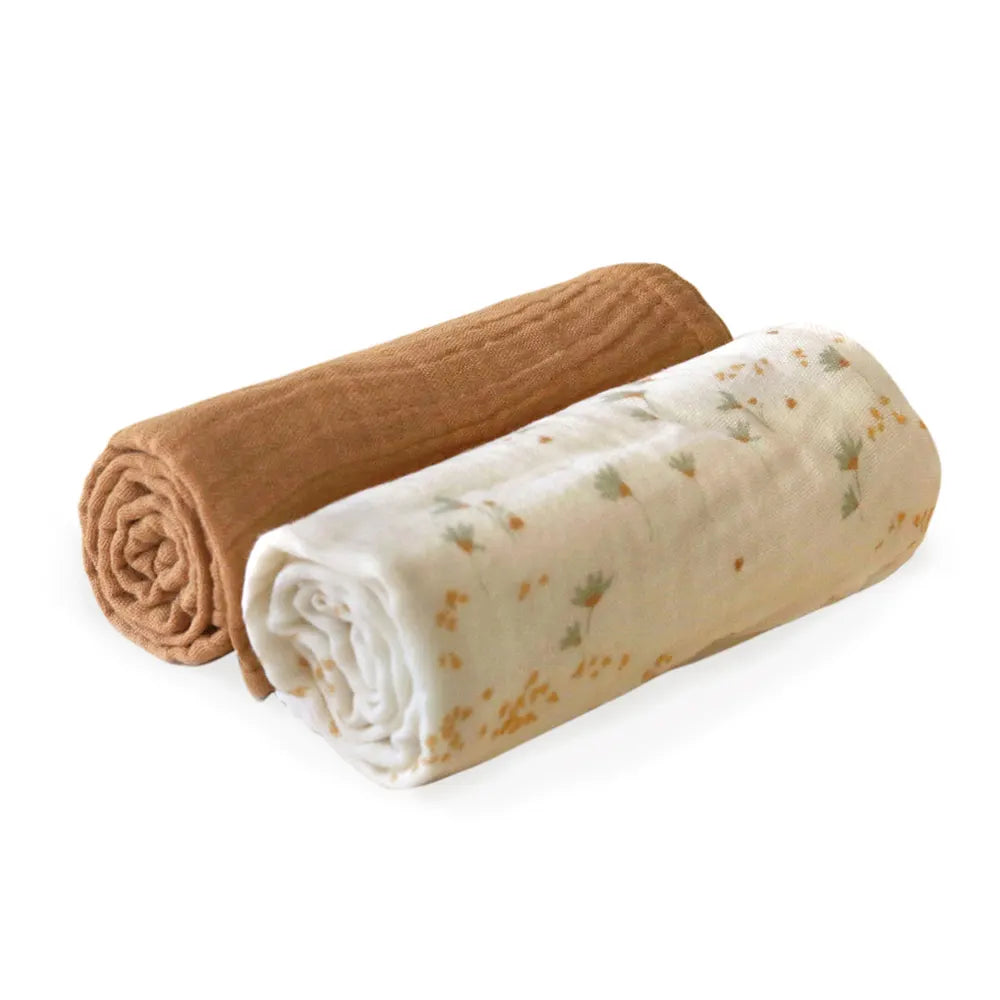
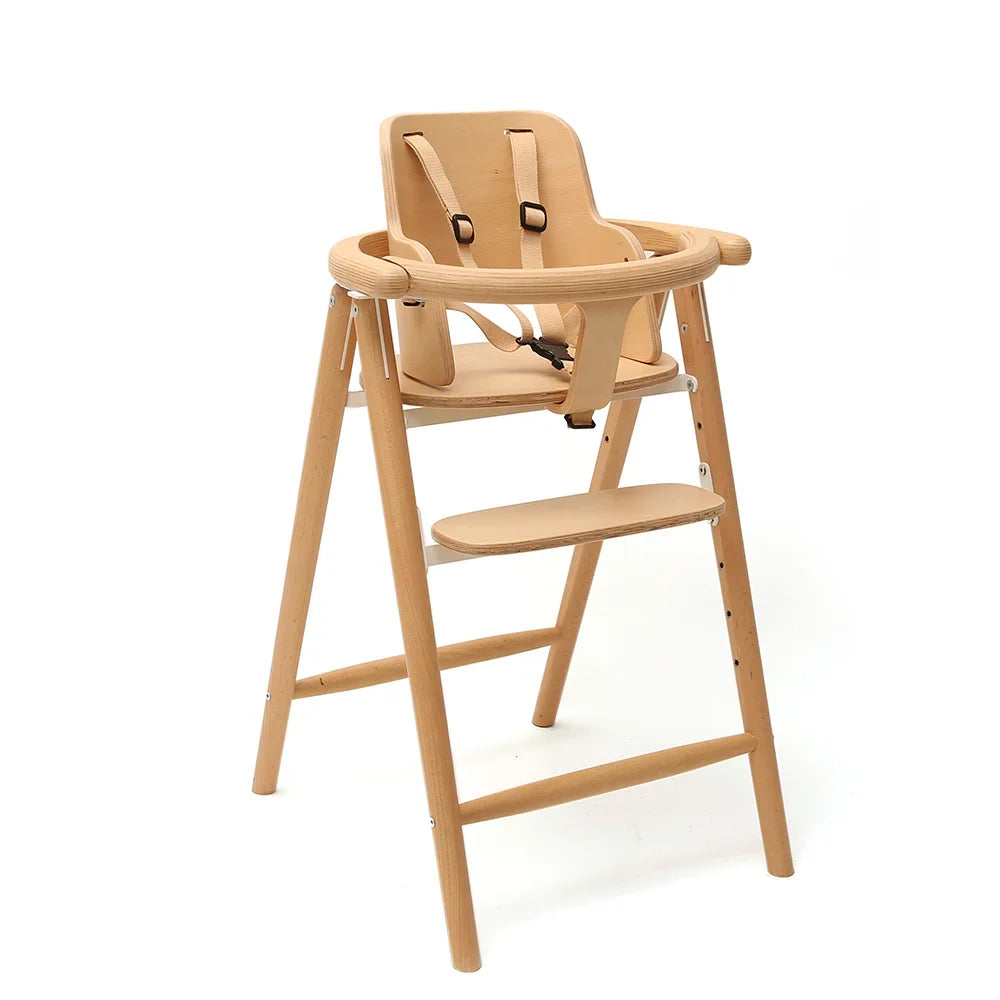
Our Charlie Crane essentials for baby massage
How long should a baby massage last?
Generally, a session lasts between 5 and 20 minutes. 3 to 4 repetitions per movement are enough, but always adapt to your child's reactions. Baby massage is never an obligation — it is offered and can be stopped according to their mood.
From what age can you massage a baby?
You can start from birth, gently. The ideal is to establish a regular routine in the first few weeks. Around 10 months, babies become more mobile and less attentive, so you will need to adjust massage times or focus on more targeted areas.
What massage oil should you use?
- Choose organic vegetable oils, virgin, cold-pressed, unscented
- Rapeseed oil is ideal, alone or mixed with sunflower or linseed oil
- Avoid oily oils (sweet almond, shea, olive) which can be allergenic
Apply a generous amount of oil to ensure a smooth, pleasant glide.
When should you massage your baby?
Choose a moment when your baby is awake, relaxed, and neither hungry nor sleepy. Avoid massages right after meals. The right time varies for each child: try different slots and observe their reactions.

What baby massage techniques should you use?
Always start with the feet to test tolerance to touch:
- Make circular movements from the groin to the toes
- Use your thumbs to gently press the arch of the foot and between the toes
- Work up toward the hips, massage the belly clockwise
- Apply gentle pressure with the palm in rhythm with the breathing
- Turn your baby onto your forearm for a back massage (if well tolerated)
- For the arms: circular movements, gentle stretches, stimulation of the palms
- For the face: glide from the nose to the ears, massage around the lips and cheeks
⚠️ To avoid: the skull in babies under one year old, as this area is still very fragile.
Baby massage and postnatal rituals
Want to complement this moment of care with other wellness gestures? Also discover our advice on Baby Thalasso Bath and essential postpartum care for mom and baby.
FAQ: Frequently asked questions about baby massage
🧴 What oil should you use to massage your baby?
Organic food-grade oils (rapeseed, sunflower, linseed), unscented. Avoid scented or potentially allergenic oils for young babies.
🕒 What time of day should you massage your baby?
When your baby is wide awake and relaxed: avoid periods of hunger or drowsiness. Every baby has their own rhythm — be attentive.
🧘 Can you massage a newborn?
Yes, from birth, favouring very gentle movements. Start with the legs and feet to observe their reactions.
🤲 How many times a week should you massage your baby?
There is no fixed rule: 2 to 3 times a week or every day if your baby enjoys it. Regularity helps establish a reassuring routine.
🙅 Should you insist if your baby doesn't enjoy it?
Never. Massage is a suggestion. If your baby cries or seems uncomfortable, stop and try again later in a different position or setting.


