


How do you choose the best everyday products for your baby?
Welcoming a child is an event that every parent prepares for with care. Among the major concerns surrounding birth, one stands out: the desire to choose responsible products that respect the environment and your baby's delicate skin. So, how can you combine safety, quality and everyday effectiveness? Here are a few tips from informed parents to help you find your way.

Welcoming a child is an occasion every parent approaches with care. One of the biggest considerations around a birth is choosing responsible products that respect the environment and your baby’s delicate skin. So how can you combine safety, quality and everyday practicality? Here are a few tips from savvy parents to help you find your way.
1 - Clothing
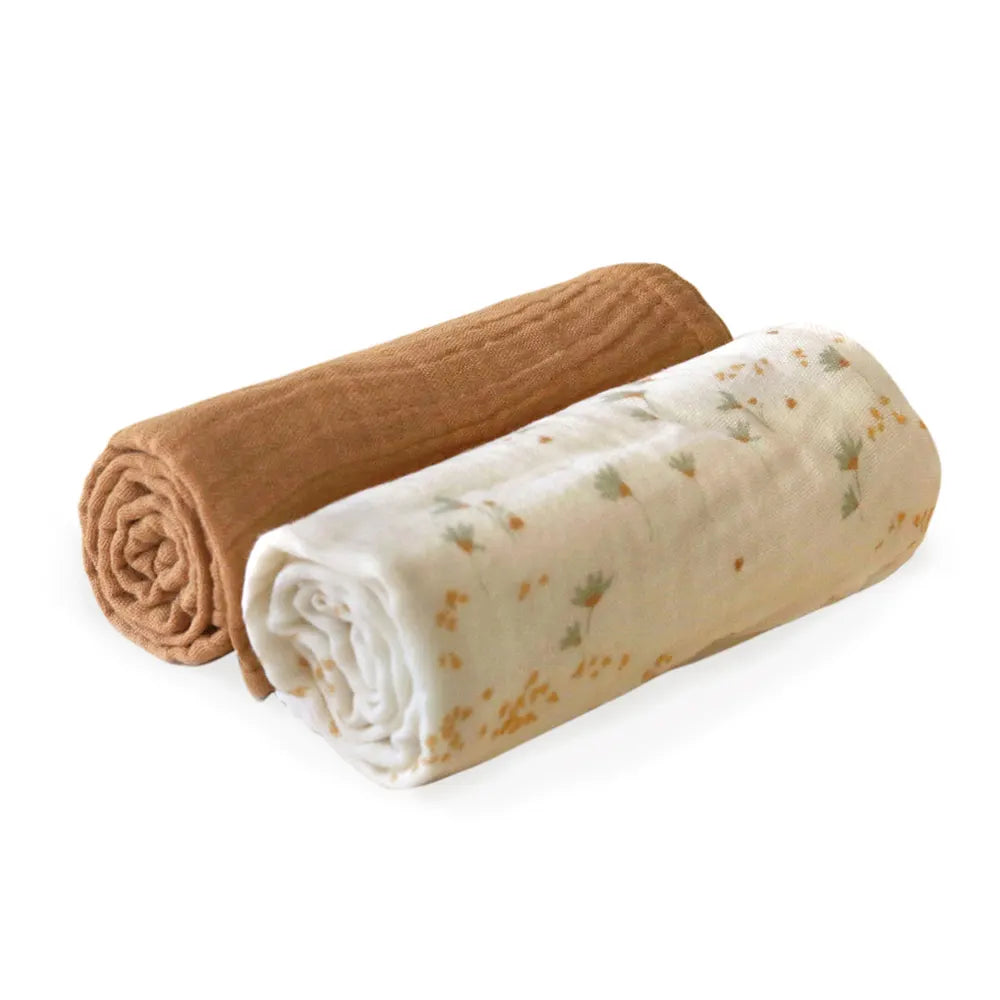
Whether your baby is born in summer or winter, choosing the right fabrics for a newborn is crucial in any season. We can’t say it often enough: little ones’ skin is delicate and deserves special care, especially when it comes to clothing. A child needs fabrics that are soft, non-irritating and free from toxins, that let the skin breathe, absorb as much moisture as possible and, of course, are easy to machine-wash (that last one’s a little bonus for you!).
Unsurprisingly, cotton is the clear winner, preferably GOTS or Oeko-Tex certified. It’s recommended by all early childhood specialists because it’s breathable and hypoallergenic. A few alternatives include bamboo, cotton gauze and muslin… Put simply, avoid materials such as polyester and acrylic: they’re harmful to the planet, harsh on skin and can cause excessive sweating.

2 - The skincare routine
Your baby’s skin is both the softest and the most delicate thing in the world. It’s described as ‘immature’ because it’s thinner than an adult’s skin. Its protective barrier isn’t fully developed yet. Newborns have little skin folds to contend with, as well as perspiration, irritation and friction… Sometimes they can develop a little redness and become dehydrated. Yes, a whole array of skincare products can quickly end up side by side on the changing table, and that’s perfectly normal!
How do you choose the right skincare? Opt for products suited to your baby’s skin and age. You can also double-check the ingredients list to make sure there’s nothing harmful or toxic in it. It’s simple: the formula should be straightforward and gentle.
Not sure? Look for a certification label such as Cosmebio or Ecocert. These certify that the formula is free from harmful ingredients. Avoid creams containing fragrances or colourings, which can irritate the skin. You can also scan a product before buying it to get an independent opinion.
3 - Nappies
Admittedly, it can be hard to navigate the vast market for children’s nappies, but we’re here to give you a helping hand! Charlie Crane fully shares the vision and approach of la marque en moins when it comes to transparency, simplicity and efforts to protect the environment. The brand makes nappies without single-use plastic, using natural formulations and French manufacturing, at a fair price thanks to a short supply chain. We like their approach because they don’t claim to be perfect (who can?) and their website shares updates on their progress and the causes they champion. Their current goal: to become a purpose-driven company with a positive social and environmental impact. In short, they show that making eco-friendly, affordable nappies is possible, and we clearly share the same values.
What we love: their nappies and nappy pants have passed our crash test as savvy parents. It’s no wonder they have the highest absorbency rating (A)!
They’ve just launched their washing powder for babies and sensitive skin. We can’t wait to try it ;)

4 - Baby’s first bed
Because a child sleeps for 16 to 20 hours a day, choosing where they sleep is just as important. The number-one consideration is, of course, safety: the bed should be comfortable, open, well ventilated and breathable, and preferably free of bars. Pay particular attention to the materials too, ideally choosing untreated wood. The aim is to minimise exposure to chemicals, toxins and allergens. Fancy repainting a second-hand find? Choose water-based, solvent-free paint. And for the finishing touch to their cosy nest, you could opt for a polyurethane foam or natural coconut fibre mattress!


