


The ABCs of Baby’s Sensory Development
After nine months in mom’s round, warm belly, at birth the newborn suddenly finds themselves among us, in a completely different world in which they must learn everything! Of course, babies have absolutely amazing adaptive abilities and a thirst for discovery that will stay with them throughout childhood. However, early learning happens step by step, and one of the very first stages is called sensory development.
This includes a set of games, activities, toys, and experiences designed to stimulate baby’s five senses: sight, hearing, touch, smell, and taste. All of this gradually supports their development, from birth to around age three.

From what age?
Sensory development begins at birth! Yes, babies have a real need for stimulation from the very first weeks, as their brains are under rapid construction. That’s why you, as parents, have the role of offering age-appropriate experiences so your baby can discover this new world.
Rest assured, you’re already doing some of these activities without even realizing it: skin-to-skin contact, listening to music, talking, smiling, kissing your baby…
What are the benefits?
When we talk about early childhood development, we often think first about motor skills—an area in which babies make tremendous progress during their first years. Sensory development gently improves coordination through the manipulation of toys and objects.
But sensory development is above all an excellent way to enhance cognitive abilities. As mentioned earlier, brain development is crucial! Thanks to stimulation through the five senses, baby’s curiosity about this new world grows, and little by little their ability to explore and their eagerness to learn will amaze you.
For parents, it is also a source of small but precious joys: watching your child grow and interacting with them creates lifelong memories.
How can you set it up?
For baby to fully enjoy these moments, it’s essential to create an environment adapted to their needs. This means, of course, a safe and secure space, but also a comfortable one where baby can stretch out and move freely (and you too!).
During the first experiences, you introduce toys to your child and create interactions together. Gradually, baby will explore these sensory toys independently and at their own pace. Finally, be careful not to overload them with too many objects—introduce things little by little to avoid overstimulation and preserve the element of surprise!
How can I stimulate my baby’s five senses?
In general, especially in the early months, it’s important to vary textures and colors and to choose toys suited to baby’s age.
Bonus: all of these products were developed in collaboration with early childhood specialists! Why do we love it? Because it has everything: comforters, activity cards, play arches, play mats… all created with softness and clear age-by-age guidance to help parents along the way.

Discovering the five senses:
-
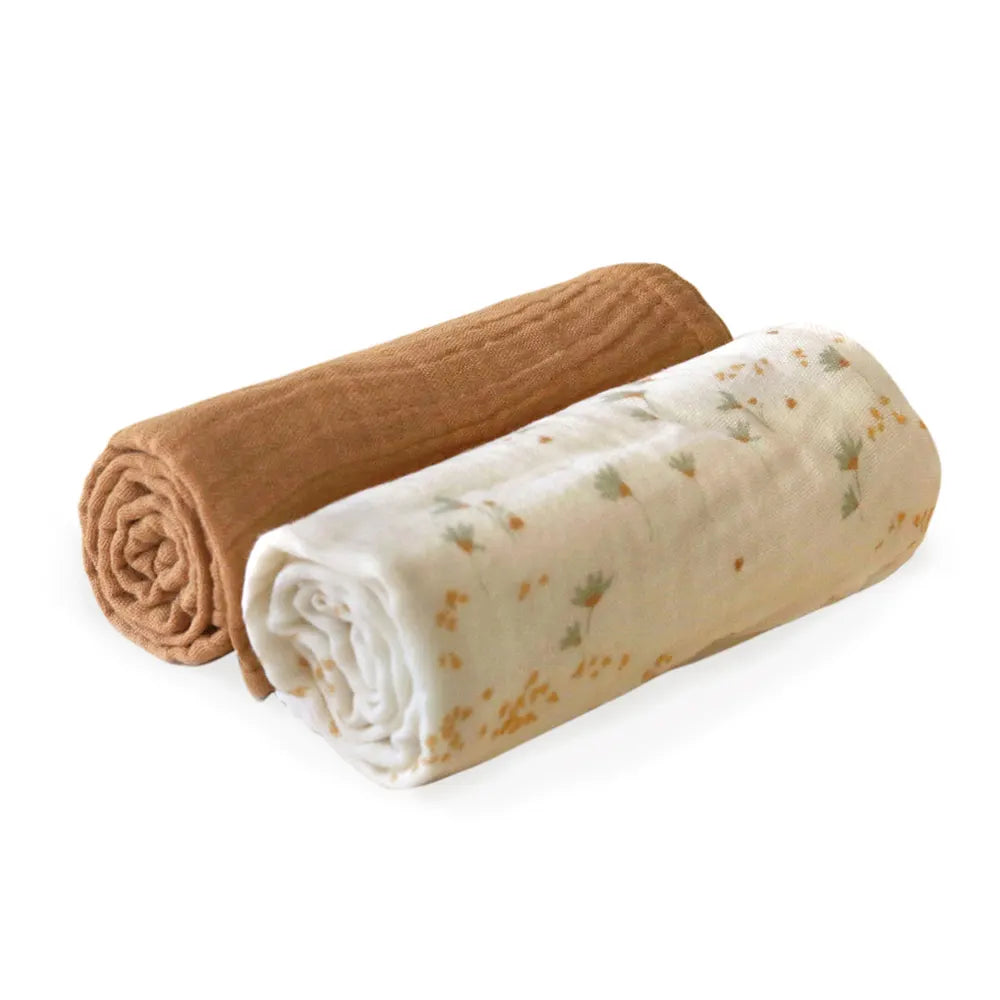
Touch is a sense baby loves to explore through blankets and a variety of materials. They will constantly put their little hands everywhere—and that’s perfectly normal! They become familiar with textures, materials, as well as their parents’ skin and hair… everything is explored!
-
Sight develops through observation, bright colors, and different patterns, and later supports hand–eye coordination.
-
Hearing is stimulated by the sounds of certain toys: crinkling noises, soft music, rattles, and the “squeak” of a ball. Music, reading short stories or simple words, animal sounds, and nature noises are also excellent sources of stimulation.
-
Taste is of course stimulated first through bottle-feeding or breastfeeding, then through the introduction of solid foods. And when baby puts toys in their mouth, taste comes into play there too!
-
Smell is a sense baby develops instinctively: the smell of milk, their parents, their home, different rooms, and even different times of the day.
Sensory development by age:
-
From 0 to 3 months
At this age, newborns sleep a lot, and their awake periods are mainly structured around feedings. As a result, playtime is very short. To stimulate them, you can give gentle massages, play soft music, offer rattles and small toys on the stroller, hang a mobile above the crib, or invest in a play arch.
-
From 3 to 6 months
Baby begins to show curiosity about their environment. At this age, they want to explore with their hands, mouth, and even their wiggling feet! A play arch is highly recommended, as well as manipulation toys: books, comforters, balls, cubes…
Tip: Around six months, baby starts playing with their reflection in the mirror! What better way to let them have fun while admiring themselves? Kaloo has even created a wonderful sensory mirror—soft and designed to stimulate all of baby’s senses. Lightweight and practical, it can be attached to playpens, strollers, and play mats—ideal for the early months!
-
From 6 to 18 months
This is a time of big changes! During this period, your child develops at lightning speed. After learning to roll over and sit up, they will gradually start crawling, maybe moving on all fours, and eventually pulling themselves up to stand. Hold on tight! Continue offering a variety of games: rolling objects, encouraging exploration, playing peekaboo, stacking items, and listening to sound books.
-
From 18 months
Baby wants to do what grown-ups do. You can offer seek-and-find games and puzzles, but their main interests will be dolls, toy phones (what an era!), musical instruments, small wooden kitchens, pushing a stroller, and playing “baby” with their stuffed animals.