Shade time
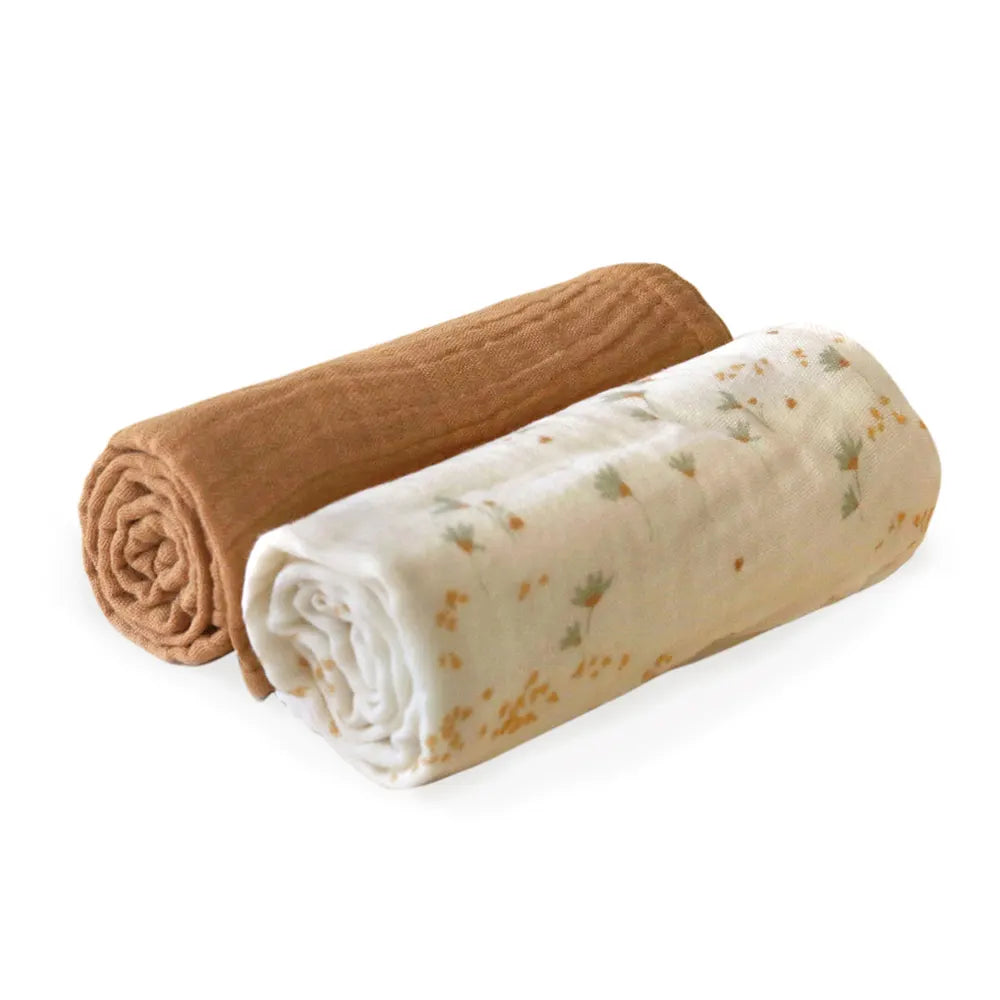
A baby's delicate skin is extremely sensitive to the sun's rays. Avoid exposing your babies to direct sunlight. Bring sunglasses, a hat, a UV-protective t-shirt, SPF 50 sunscreen, a swimsuit and a parasol (a UV-protective tent or teepee also works) to keep them protected. Opt for times of day when the sun is less intense, such as the morning or late afternoon. If you go to the beach with your pram and leave your baby in it, bring a sunshade to protect them. We love muslin wraps, but this soft fabric is not sun protection. It can block airflow and quickly turn the pram into an oven. Finally, think about a misting spray to gently spritz your baby. Also bring a bottle of water in a cool bag to clean your baby's hands, prepare their bottle, give them something to drink… And don't forget to drink plenty yourself if you are breastfeeding.
Bath time
Before heading to the beach, it is worth knowing that babies under 6 months should not be bathed in a swimming pool or open water. The health risks associated with cold water, germs in the water and even ear infections are too significant for young infants. Ask your paediatrician for advice before you go on holiday — they will give you their recommendations. Once your baby is over 6 months old and has no underlying health conditions, you can start bathing them. Begin with their feet, letting the waves gently kiss their toes. Watch how your baby reacts. If they enjoy it, you can gradually go deeper. Every baby is different, so take your time and observe your little one carefully.
Drying time
Babies get cold quickly in sea water. You will notice this soon enough if they start shivering — and watch out for little blue lips. In those cases, act quickly and start drying them off. Change your baby into dry clothes and wrap them in a lovely soft towel. Some children also dislike being wet or cannot stand the sand… So remember to bring large towels, which will also come in handy for laying your baby down or changing their nappy.
Letting go
The beach can sometimes be a challenge for some parents. Sand gets everywhere, your baby won't stop eating it. They lick little toys soaked in salt water… Take a deep breath (have you heard of cardiac coherence?) and let go. Your baby is discovering the world. Encourage them to explore, keep an eye on them and let yourself be surprised by their reactions. The beach is full of surprises!