





An extra hour to get cosy: bedtime routines and family wellbeing
Soft light, leaves turning golden, temperatures dropping... You’ve probably noticed autumn is slowly but surely settling in. Before the winter solstice arrives ahead of Christmas, the clocks go back too, marking a real shift into a new season. Here’s our guide to making the transition as smooth as possible and enjoying this cosy time with your baby to the fullest.

Soft light, leaves turning golden, temperatures dropping… You’ve probably noticed autumn is slowly but surely settling in. Before the winter solstice arrives ahead of Christmas, the clocks go back too, marking a real shift into a new season. Here’s our guide to making the transition as smooth as possible and enjoying this cosy time with your baby to the fullest.
The clock change
In winter, this clock change is known as the ‘return to normal time’. On the night of 31 October to 1 November 2026 — Halloween night — the clocks will go back from 2 am to 1 am. For parents, this change is usually a little easier than the summer one. Your children may wake you ‘earlier’, but you’ll have an extra hour to enjoy together as a family. Autumn is a time to return to the comfort of family life: to warm body, heart and soul in countless ways and slow down… As with any change, there may be a period of adjustment, but there’s no need to worry. That’s why a good bedtime routine matters: it gives your baby a sense of familiarity.
How can you prepare for the clock change?
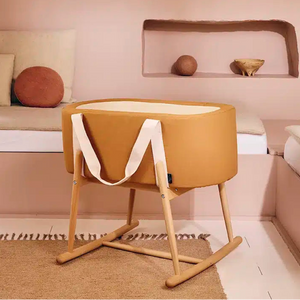
You can, in a way, ‘prepare’ a little one’s body and mind for the change. A week or a few days beforehand, for example, try gradually shifting their bedtime later. If your baby goes to bed at 19H30, move bedtime back by 5 to 10 minutes at a time so that, by the end of the week, it has naturally shifted by about an hour. For newborns, the KUKO carrycot is handy for carrying your baby from room to room: you could settle them to sleep in the living room, then move them to the bedroom…
The morning wake-up time may feel a little abrupt at first, but you’ll see: little by little, your baby will find their bearings again and adjust their body clock!

A few tips for a sleep-friendly bedtime routine
Whether or not the clocks are changing, little ones love rituals. Repeating the same actions and moments reassures them and helps them settle at bedtime. And when your baby sleeps, you can too — so it’s a real priority!
When should you start a bedtime routine?
As early as possible! Not straight after coming home from the maternity ward, of course, but around four to five months is an ideal time to introduce a few habits. You can build on them as your baby becomes more aware and develops.
The importance of familiar routines
A bedtime routine can begin at around four months with very simple things. Repeated each evening, even by different people in their own way, they signal to your baby that sleep is coming.
You could start with a bath, followed by a breastfeed if you’re breastfeeding or a bottle if your baby has formula. Keep everything calm and soothing if possible, with soft or dimmed lighting, then perhaps make time for a story. At Charlie Crane Publishing, we offer a collection of poems written especially for babies: https://www.charliecraneparis.com/collections/collection-recueil Your voice can comfort and soothe your baby as you whisper gentle words to them…
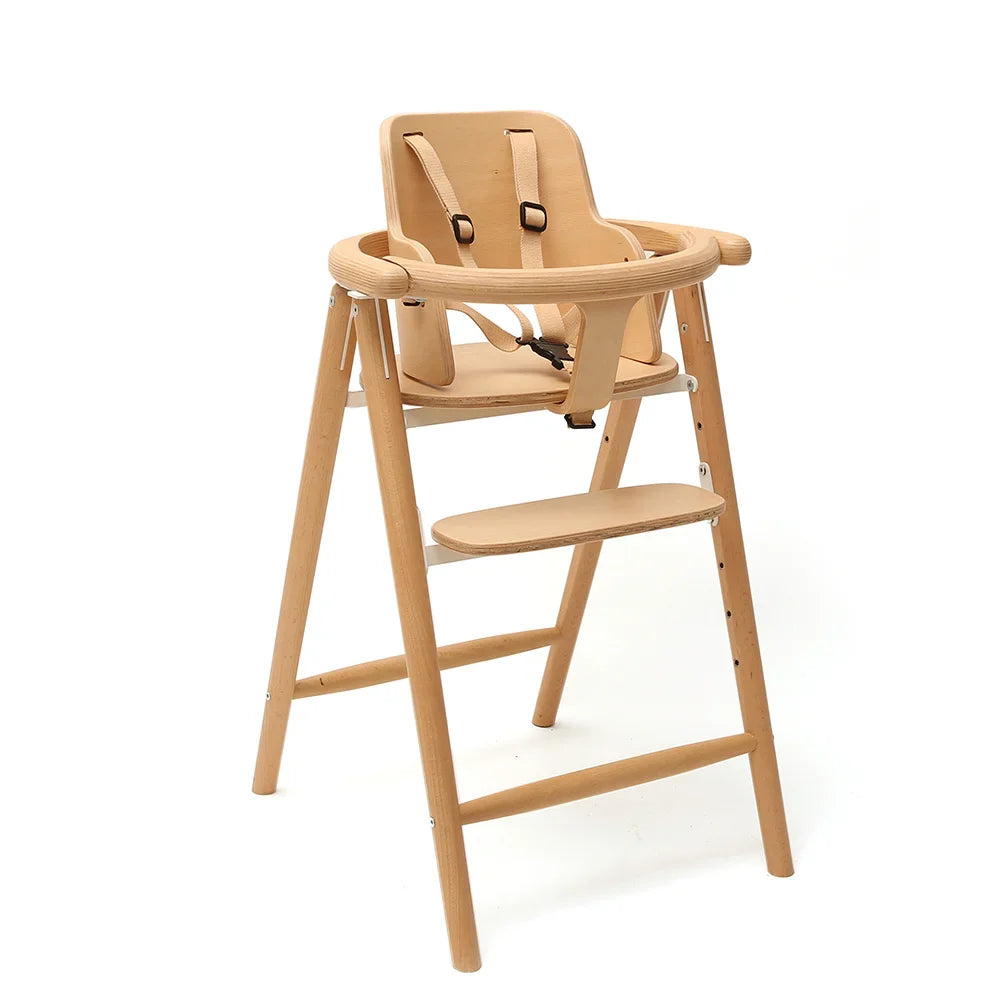
As your child grows, their bedtime routine may become more involved: perhaps a bath, then a dinner of increasingly solid food, followed by a bottle or breastfeed, a longer story either in bed or in a special reading corner, brushing their teeth, a kiss for their favourite cuddly toy and a cuddle with their parents… And why not sing a lullaby? Our little SABA chair is ideal for a reading corner.
And what about playtime?
Playtime is important for helping babies learn and discover the world, but activities should suit the time of day. Before starting the bedtime routine, a little quiet play is just the thing to ease into the rest of the evening and, eventually, sleep. For newborns, that could mean some time on a play mat, perhaps with a wooden play gym and soft toys!
A few final tips for the clock change…
We strongly recommend continuing to expose your baby to natural light during the day. Rain or wind, let’s take inspiration from Nordic families and make time to go outside, even in winter. Fresh air and, if possible, daylight are crucial for helping your baby settle to sleep without restlessness.
Conversely, darkness is also important in helping your baby gradually understand the difference between day and night. In the evening, complete darkness arriving earlier can help them fall asleep… earlier. A win all round, unlike the summer clock change, which is harder on parents!

As you’ve gathered, repetition is key! Even if the routine is done a little differently by a nanny, dad, mum or grandma, it gives your baby a reassuring point of reference. You can also use this ritual before nap time, but remember to let a little daylight in so your child gets used to the different times of day… and night! When the clocks go back, it’s time to switch to hibernation mode: parents can curl up under a blanket, while baby relaxes in their LEVO baby bouncer and enjoys a gentle rocking motion and these slower moments…


