

Moses basket, crib or bedside crib: how do you choose the right place for your baby to sleep in the first few months?
For their baby’s first few months, new parents have three options: a lightweight, affordable Moses basket, a crib or a bedside sleeper. The choice depends on available space, budget and how close they want their baby to be at night. Each option has its advantages, but also its limitations.

For the first few months, new parents have three options: a Moses basket, which is lightweight and affordable but can only be used for 4 to 6 months; a cradle, which falls between the other options in both price and length of use, lasting up to 5–6 months; and a bedside crib, which costs more to buy but can be used from birth until the child is 2 or 3 years old, or even longer if it is convertible. The choice depends on the available space, budget and how close parents want their baby to be at night. Each option has its advantages, but also some very real limitations.

Moses basket, crib or bedside crib: what are the practical differences?
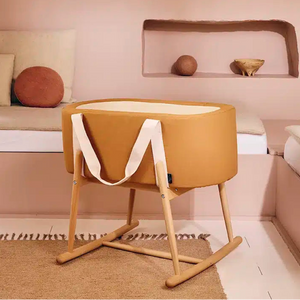
A Moses basket for babies is a cosy little nest, often made from wicker or natural, breathable fabric. Lightweight and portable, it is designed for the very first months. Its compact size feels reassuring, wrapping your baby in a cocoon, but it can only be used for a short time, generally until your baby can roll over unaided.
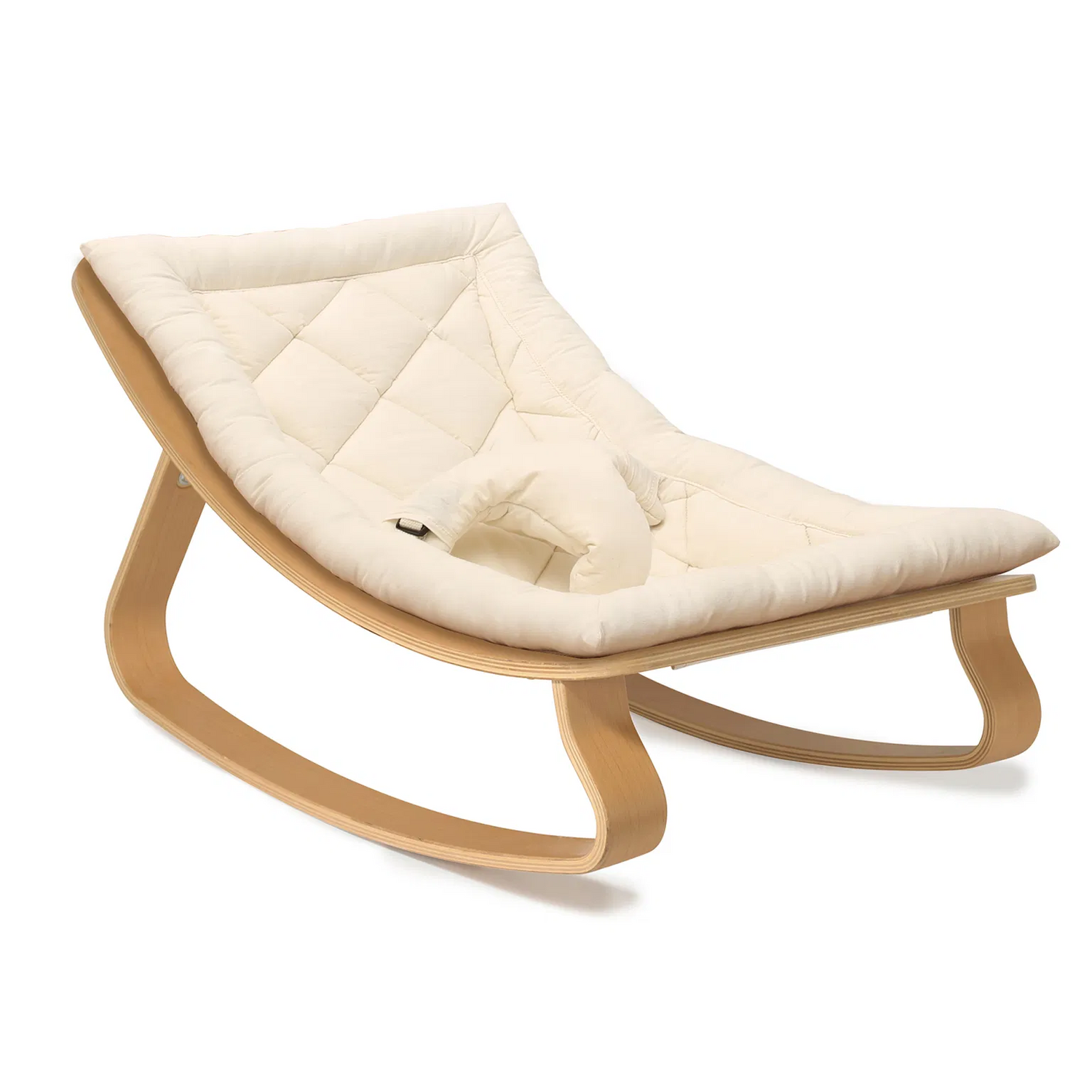
A cradle is a baby bed with or without bars. Larger than a Moses basket, it is sometimes designed to adapt as the child grows and can be used for several months, or even beyond a year, depending on the model.
A bedside cot is in a category of its own: this baby bed attaches to the parents’ bed and has an adjustable height, keeping your baby close at night while giving everyone their own sleeping space. Contrary to popular belief, it is not simply a cradle placed beside the bed: its open side, secure attachment and firm mattress give it a specific purpose — offering reassurance while keeping sleeping spaces separate. Some models can also adapt as the child grows, transforming into a small bench, for example.
What infant sleep-safety guidance says about sudden infant death, sleeping position and bedding
Official sleep-safety recommendations in France and most Western countries point to a simple principle: babies sleep best in a simple, safe sleep space. A newborn sleeps up to 18 hours a day at birth, then 15 to 20 hours a day during the first few weeks, making the choice of sleep space all the more important.
Some rules are non-negotiable:
- place your child on their back on a firm mattress that fits the bed perfectly, with no gaps where a hand or foot could become trapped;
- avoid cot bumpers, duvets, pillows, soft toys and sleep positioners, which studies of sudden infant death have identified as major risk factors;
- keep the room cool and well ventilated, without overheating it or adding unnecessary items.
A bedside crib meets these requirements provided it is securely attached to the parents’ bed at the correct height, with no dangerous gap. The recommended period of use is around the first six months. Stop using a Moses basket as soon as baby shows signs of becoming mobile. The same principle applies to a traditional crib: safety first, aesthetics second.
Moses basket, crib or bedside crib: a comparison table to help you choose in one minute

First, space: a Moses basket fits into a small bedroom, or even beside the sofa, whereas a traditional cradle or bedside cot needs a dedicated spot next to the parents’ bed. Next, mobility: a lightweight Moses basket can be moved from room to room throughout the day. Finally, closeness to the parents is greatest with a bedside cot, more limited with a cradle and occasional with a Moses basket.
What are the real advantages and limitations of a Moses basket?
The Moses basket appeals because it is lightweight and has a cocoon-like shape designed to reassure newborns from birth. It fits easily into a bedroom, can be moved from room to room and often costs less than a bedside crib or a traditional crib.
But it can only be used for a short time, generally from birth to six months, depending on the baby's size. After that, the Moses basket becomes too small, so it's worth planning for when you'll need to replace it.
When it comes to safety, not all models are equal: check that the frame is stable, the mattress is firm and there are no unnecessary cushions. Some Moses baskets may also feel less secure when set down on an unstable stand. Unlike a convertible cot or a barred crib, a Moses basket cannot adapt as your child grows. A smart choice for the very first months, but one that almost always needs to be followed by another sleep space.
What are the real advantages and limitations of a traditional crib?
A traditional cradle remains a reliable choice, and its main advantage comes down to one word: closeness. Placed near the parents' bed, it lets you keep an eye on your newborn without sharing a bed, while maintaining a reassuring separation between the two sleeping spaces. Some models, such as the KUMI cradle without bars, have a rocking function that can help soothe crying and ease your baby to sleep.
As for the drawbacks, a traditional cradle takes up space in an already crowded bedroom, and it can only be used for a short time, often just a few months. Unlike a cot that grows with your child or a traditional baby cot, it won't last for years, but it does offer a cosy cocoon for those first few months.
Think about the mattress too: it must be firm and fit the crib snugly — generally around 90 x 40 cm — with no gaps at the sides. It is a sensible choice, provided you plan for what comes next.

How much should you budget for each type of sleep space?
The budget varies considerably depending on the sleep space you choose, so it is better to think about cost over its period of use rather than the purchase price alone.
- A Moses basket costs between €40 and €120 and can be used from birth to 3–4 months, or sometimes only 2 months for a larger baby.
- A crib costs between €80 and €200 and can be used until around 5 or 6 months.
- A bedside crib requires a bigger investment, at around €179.99 depending on the model, but can be used for much longer: from 6 months to 2 or 3 years, or sometimes from birth if you skip the Moses basket and crib.
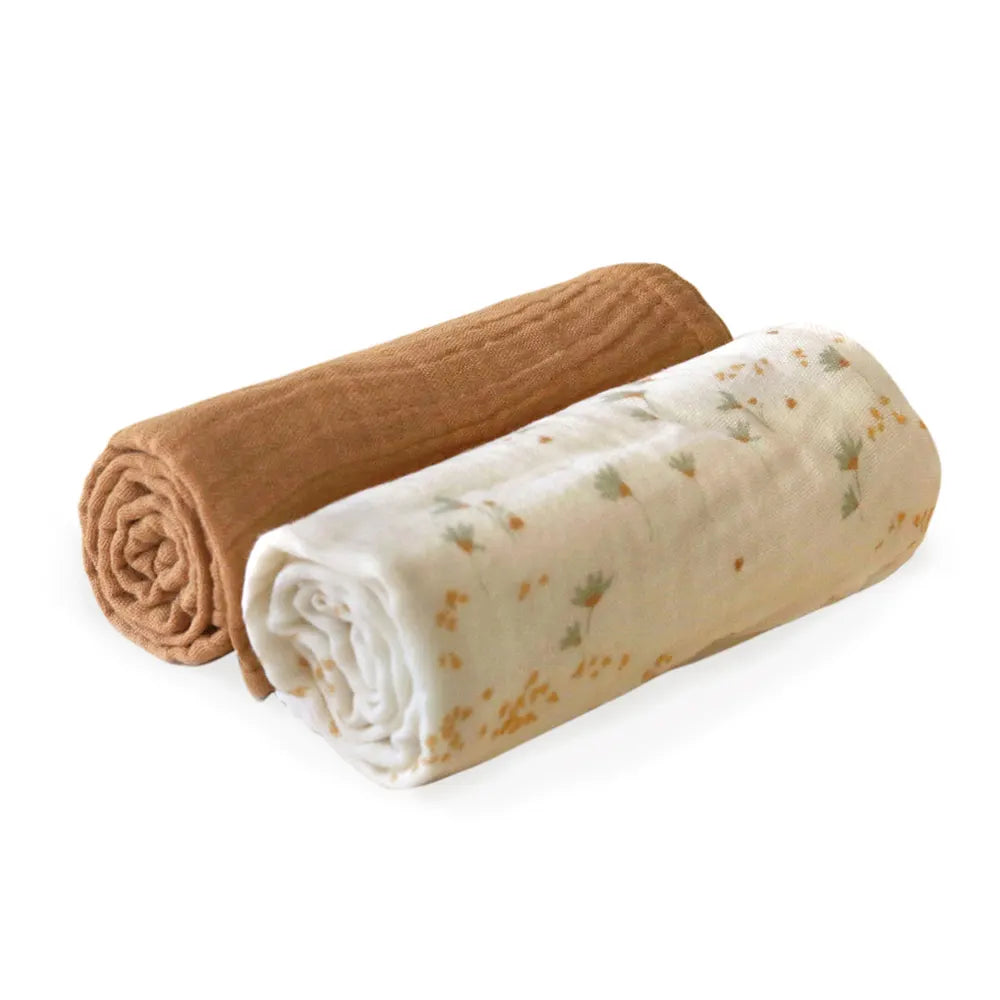
You should also allow for a suitable mattress and a standard-size fitted sheet, often sold separately. When you consider its cost over the months it is actually used, a convertible bedside crib that can accommodate a child up to the age of 3 or 4 when converted into a cot makes its higher initial price look much more reasonable than buying a Moses basket, then a crib, then a standard cot.
When and how should you move from a Moses basket or bedside crib to a cot?
Moving from a Moses basket or bedside crib to a cot is a practical as well as a symbolic milestone. At around 4 to 6 months, as baby grows, rolls over and starts trying to sit up, the little cocoon becomes too snug: it is time for a new bed.
Many parents worry about this milestone. To make the transition easier, it is best to take it step by step:
- start by placing the cot in the parents’ bedroom, near the bedside crib, for a few nights;
- keep the same familiar sleep cues: the same baby sleeping bag, the same night light and the same bedtime routine;
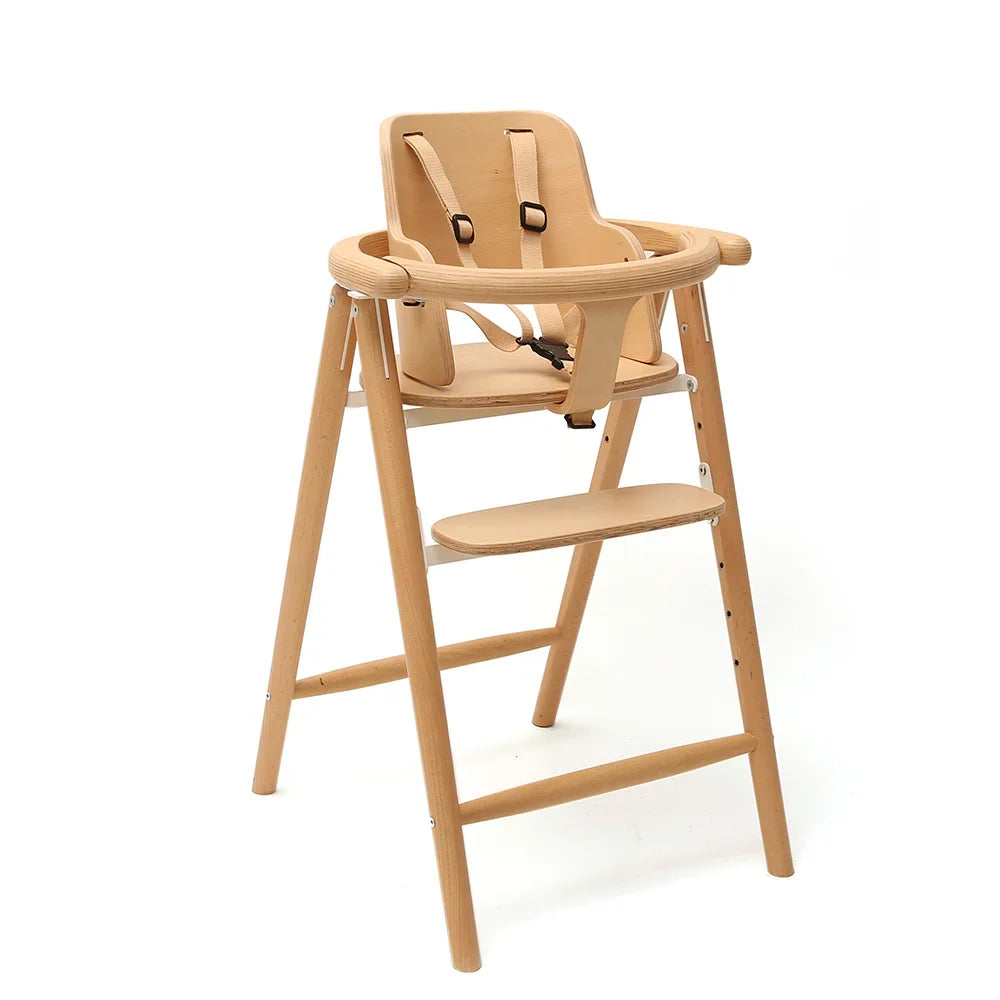
- choose a cot that grows with your child, with or without bars, which will last well beyond the first few months and spare you another purchase so soon;
- check that the mattress is firm, the right size and leaves no unnecessary gaps at the sides.
Keeping that reassuring closeness for a few more weeks helps both baby and parents gradually get used to the distance. There is no rush or fixed timetable: every child finds their own rhythm, and the transition can happen naturally.
FAQs: Moses baskets, cribs and bedside cribs
How long can you use a Moses basket? On average, a Moses basket can be used for around four to six months, sometimes less for a larger baby: babies grow quickly, and this little cocoon soon becomes too snug.
At what age should your baby move from a bedside crib to their own room? The move often happens between 5 and 6 months. When your baby starts rolling over unaided, it may be a sign that it’s time for them to move safely into their own room. Breastfeeding and each baby’s individual needs
What is the cheapest sleep space for a newborn? A Moses basket remains the most affordable option for a newborn, followed by a crib, then a bedside crib and finally a convertible cot, which costs more but is designed to last.
How can you check whether a mattress fits a crib or bedside crib? Always check the exact dimensions of the sleep space you have chosen: a poorly fitting mattress leaves a dangerous gap at the sides. Take the same care when choosing a fitted sheet, ensuring it matches the standard dimensions of the crib or bedside crib.


