

Baby nest: useful or risky? What infant sleep safety guidelines really say
A baby nest isn’t inherently dangerous: the concern is using it for sleep without supervision. For awake time, cuddles, or a nap while you’re watching closely, this cocoon still has its place; for overnight sleep or a nap without an adult present, a bare crib, a firm mattress, and a sleep sack are better. The key to using this accessory lies in that distinction, which we’ll explore in detail.

Baby nests: are they dangerous? The direct answer
French infant sleep recommendations are consistent: for every night and every nap, babies should sleep on their backs in their own crib or bassinet, on a firm, clear mattress, without a pillow, blanket, crib bumper, or baby nest. The reason is simple: these padded accessories can restrict an infant’s movement and, if their face turns against a soft side, interfere with breathing. The same risk applies to a sleep pod, which also encloses the baby.
The key distinction is that this caution concerns sleeping alone. A baby nest can still have a place during awake time, cuddles, or a nap under your watchful eye: it creates a reassuring space while you remain there to watch your baby. Once you leave the room or are ready to sleep yourself, it is better to move your child to their usual sleep space, with a firm mattress and nothing else in it. That way, you can enjoy the nest’s softness without compromising safe-sleep practices.

Why is this type of product a concern? The risks behind it
Three physiological mechanisms explain the caution surrounding baby nests, sleep pods, and baby positioners:
- Breathing: padded edges and soft surfaces may come into contact with your baby’s face if they turn their head, creating a risk that their face becomes pressed into the material and that exhaled air becomes trapped. This mechanism, rather than the object itself, concerns health professionals.
- Freedom of movement: an infant needs to move their arms and legs spontaneously to develop motor skills. A device that holds them in place works against that need and carries an associated risk of positional flattening of the head.
- Overheating: a padded nest, combined with a room that is too warm or an added blanket, can raise your baby’s body temperature too high—a factor often cited as contributing to sleep-related accidents.
These three points explain why “breathable” fabric or a CE mark is not enough to make a baby nest a recommended sleep surface: those labels describe a material, but they do not eliminate the risk of a baby’s face becoming pressed into a soft surface, restricted movement, or heat buildup. Understanding these risks helps clarify when a nest can be a soft, reassuring accessory and when it calls for extra vigilance.

When might a baby nest be useful?
It all depends on the time of day and whether an attentive adult is present. During awake time—cuddles, feeds on the couch, discovering their hands, or watching a mobile—a baby nest can have a place. Your baby may enjoy the snug feeling, a little like being in the womb, while you stay right beside them. A short nap under your watchful eye, in the same room as you, follows the same principle: you watch and step in if needed. The nest remains an accessory for supervised use, not a solution for independent sleep.

This distinction is essential: there are two clearly different ways of using it:
- Use while baby is awake and supervised: cuddles, quiet play, and short naps in the same room as you are situations where a baby nest can have a place.
- Unsupervised nighttime use: once you leave the room, fall asleep yourself, or settle in for the night, the baby nest should no longer be used. Your baby should then be in their own crib, on a firm mattress, in a sleep sack, with nothing around them to hold them in place.
This distinction is not about comfort but supervision: having an awake adult present changes the situation entirely. This accessory cannot promise any particular improvement in sleep quality; above all, it offers a gentle, reassuring space for awake time, including at the grandparents’ house or on vacation, provided supervision is constant.
Baby nest, sleep pod, crib bumper: different products, different risks
Three terms come up again and again on baby registries, but they do not mean the same thing:
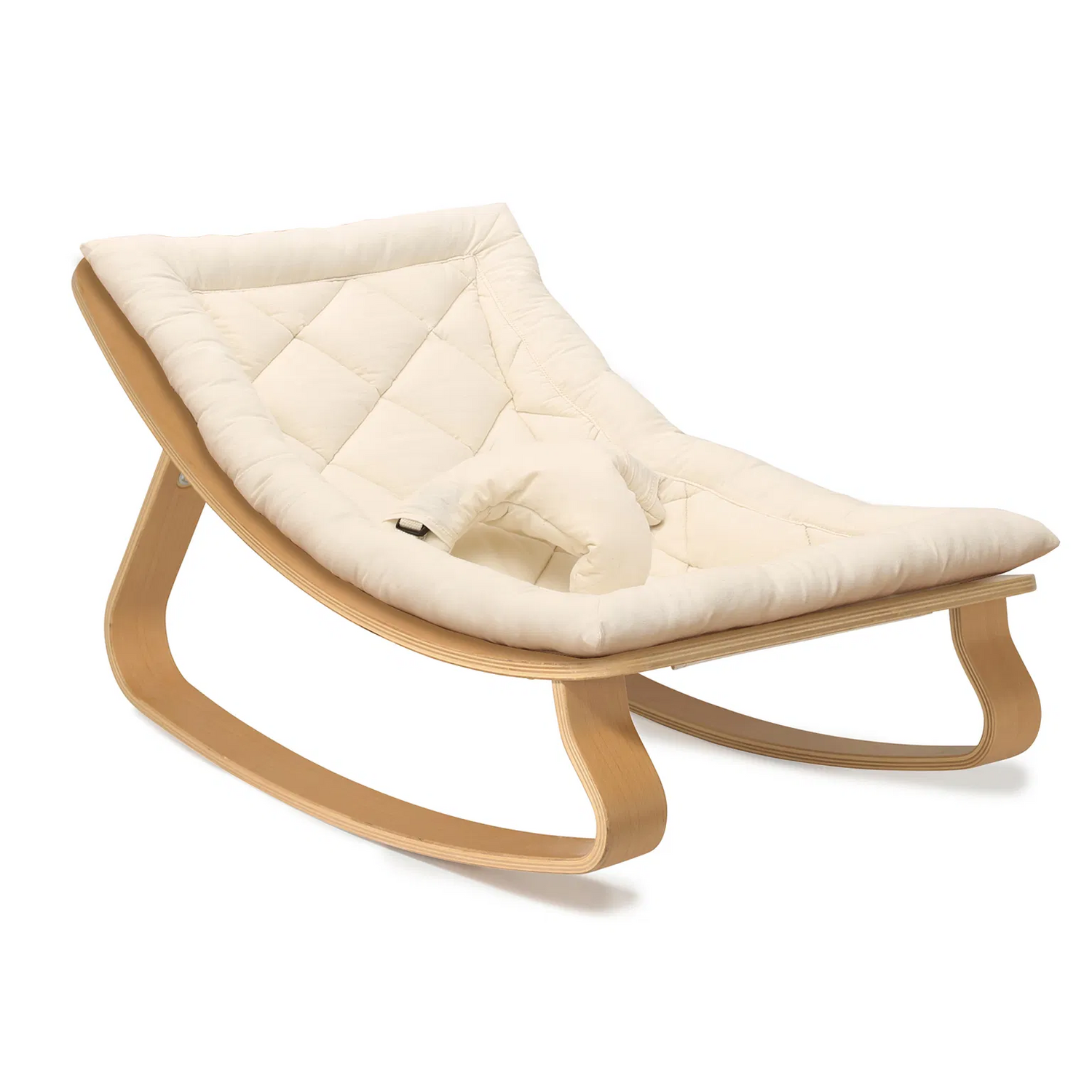
- A baby nest, sometimes called a sleep pod, is a small mattress surrounded by padded bolsters that define a snug space around an infant. Its purpose is to recreate a feeling of being gently enclosed during supervised awake time and cuddles.
- A sleep pod generally refers to the same type of product under a more evocative name; that does not change what it is or how it should be used.
- A crib bumper is something quite different: this padded accessory sits against the bars of a bassinet or crib to cushion bumps, not to enclose the baby’s body.
An empty crib with a firm, bare mattress remains the standard for infant sleep. Adding a baby nest, sleep pod, or crib bumper changes the sleep environment, whatever the accessory is called. Keeping this practical distinction in mind helps avoid confusion between accessories for awake time and those suited to nighttime sleep.
At what age can you consider a baby nest, and when should you stop using it?
The question of age calls for a nuanced answer because it depends entirely on how you use the baby nest.
For independent sleep, whether overnight or during an unsupervised nap, there is no age at which a baby nest becomes recommended inside a crib or bassinet. From birth, your baby should sleep there on a firm, clear mattress, in a sleep sack and without any accessory that holds them in place.
For awake time under your watchful eye, a baby nest can be used from the time your newborn comes home from the hospital. It is during these first weeks that babies may appreciate the feeling of being gently enclosed.
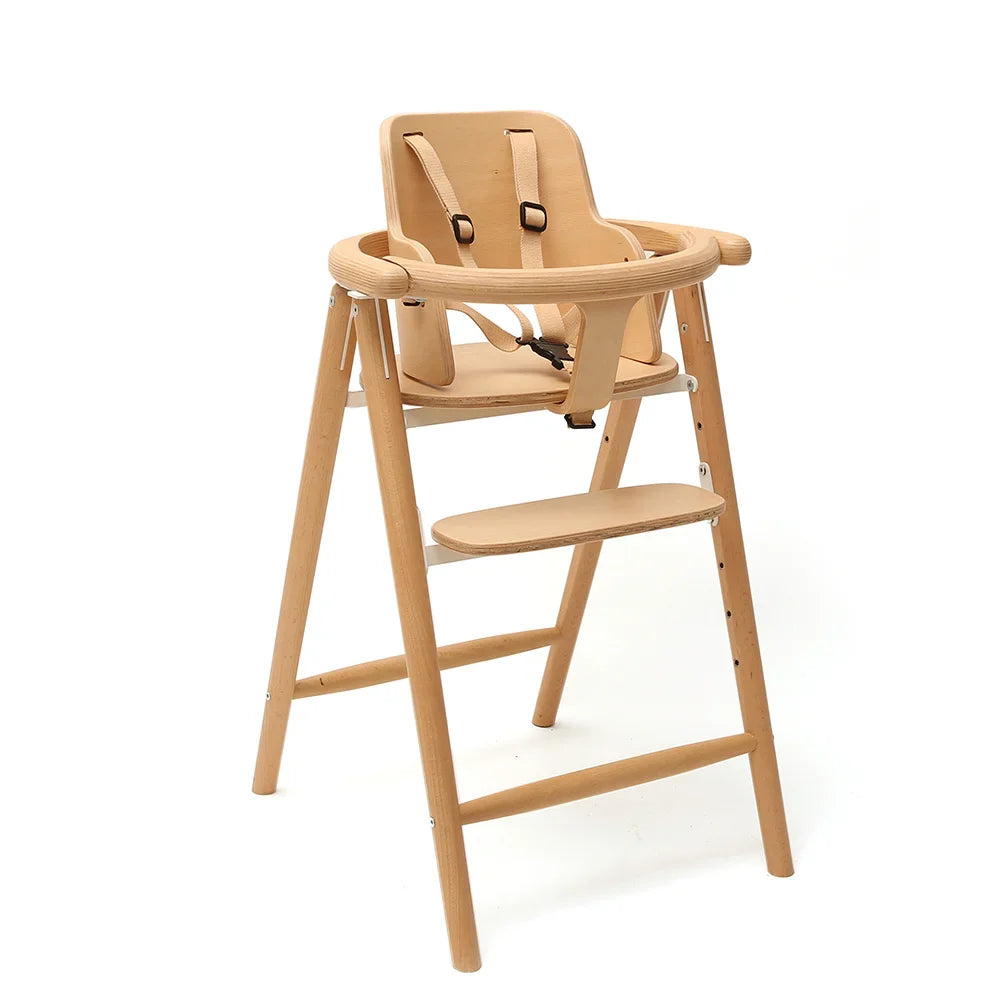
The upper limit is easier to spot: as soon as your baby shows signs of mobility, tries to roll over independently, or attempts to push up, it is time to put the nest away. Your child now needs room to move freely, and keeping them in a confined space is no longer suited to their development. Between those milestones, the rule remains the same: never without an awake adult nearby, and never for a full night’s sleep. This is also when many families turn to a convertible crib, designed to grow with their child well beyond the first few months.
What to check before deciding whether to use a baby nest
Before falling for a lovely little nest, a few precautions are worth considering—without letting the decision become a source of anxiety:
- Support firmness: if a baby nest’s base sinks under the weight of the baby’s head, it no longer provides a stable surface.
- No raised flaps or sides that are too high and soft: your baby’s face should never be able to nestle against a soft side.
- Fabric breathability: soft, airy cotton can feel more comfortable against an infant’s delicate skin, but “breathable” describes a quality of the fabric, not a guarantee that it is safe for sleep.
- The CE mark: it indicates general regulatory compliance in certain aspects of the product, but it does not establish that the product is suitable as a surface for unsupervised sleep.
Public health authorities also urge caution with sleep accessories that infants do not need. These points can help you make a more informed choice, but they never replace the watchful care of an adult who is present or official safe-sleep recommendations.
What should you choose for your baby’s unsupervised sleep?
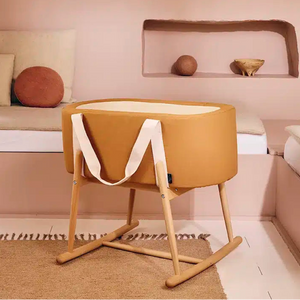
For unsupervised sleep, keep it simple: a crib or bassinet that meets applicable standards, a firm, snug-fitting mattress, and a sleep sack suited to the season. Place your baby on their back in the center of the bare mattress, with their face uncovered and no baby nest, crib bumper, pillow, or blanket.
- A sleep sack is a better alternative to a blanket: it keeps your baby covered all night without slipping over their face.
- Sharing your room with your baby during the first few months, without sharing your bed, remains a reassuring way to keep them close at night while giving them their own sleep space.
- Choosing soft, breathable fabrics such as cotton, ideally organic, makes sense for both your infant’s delicate skin and a more responsible approach.
It is often this simple setup, bare as it may seem, that offers the most peace of mind: an empty sleep space is not an unwelcoming one; it is a safer one. A simple, thoughtfully made crib in European wood fits this approach too: a piece designed to last and support your child well beyond the first few months. The beauty of caring for a baby often lies in embracing this simplicity, without unnecessary sleep accessories.

Frequently Asked Questions
Can a baby sleep all night in a baby nest? No. At night, your baby should sleep on their back in their own crib, on a firm mattress with nothing around them. A baby nest is only for times when an awake adult is present.
Is a baby nest safe in the parents’ bed? No. It does not make bed-sharing safer. To keep your baby close at night, choose a bassinet or carrycot placed in your room instead.
Until what age can you use a baby nest? For supervised awake time, you can use it as long as your baby is comfortable in it. Once they roll over independently or try to move around, it is time to put it away: they need room to move.
Is a “breathable” model safer for sleep? “Breathable” describes a material, not a guarantee of sleep safety. Padded accessories should still be kept out of an infant’s sleep space.
How can you keep your baby warm at night without a blanket? Use a sleep sack suited to the season and keep the room at a comfortable temperature. It keeps your baby covered all night without slipping over their face.


