

Crib dimensions and mattresses: what’s the right size?
In France, two sizes dominate the market for young children’s beds: the compact, classic 60x120 cm and the 70x140 cm, designed to serve children for longer. The rule of thumb is always the same: measure the inside of the crib, between the rails, and choose a mattress that fits snugly, with no gaps at the sides. That’s what ensures comfort and safety.

What size mattress does a crib need?
Mattress size is determined by the crib’s interior dimensions, not the measurements of its outer frame. The measurement taken between the slats determines the right size.
- The 60x120 cm size is for a classic baby crib, the most compact option, designed for little ones from birth.
- The 70x140 cm size is used for convertible cribs: twenty extra centimeters in length to accommodate a growing child without having to replace the crib too soon.
In either case, a well-fitting mattress is the foundation of a safe sleep space. For the first few days, some parents choose a bassinet or cradle, whose smaller size creates a cozy, reassuring space before moving to a crib, then a toddler bed or convertible bed. At Charlie Crane, we design furniture made to stand the test of time, favoring natural materials such as European wood to create a sleep space that is both healthy and durable.
Baby bassinet dimensions
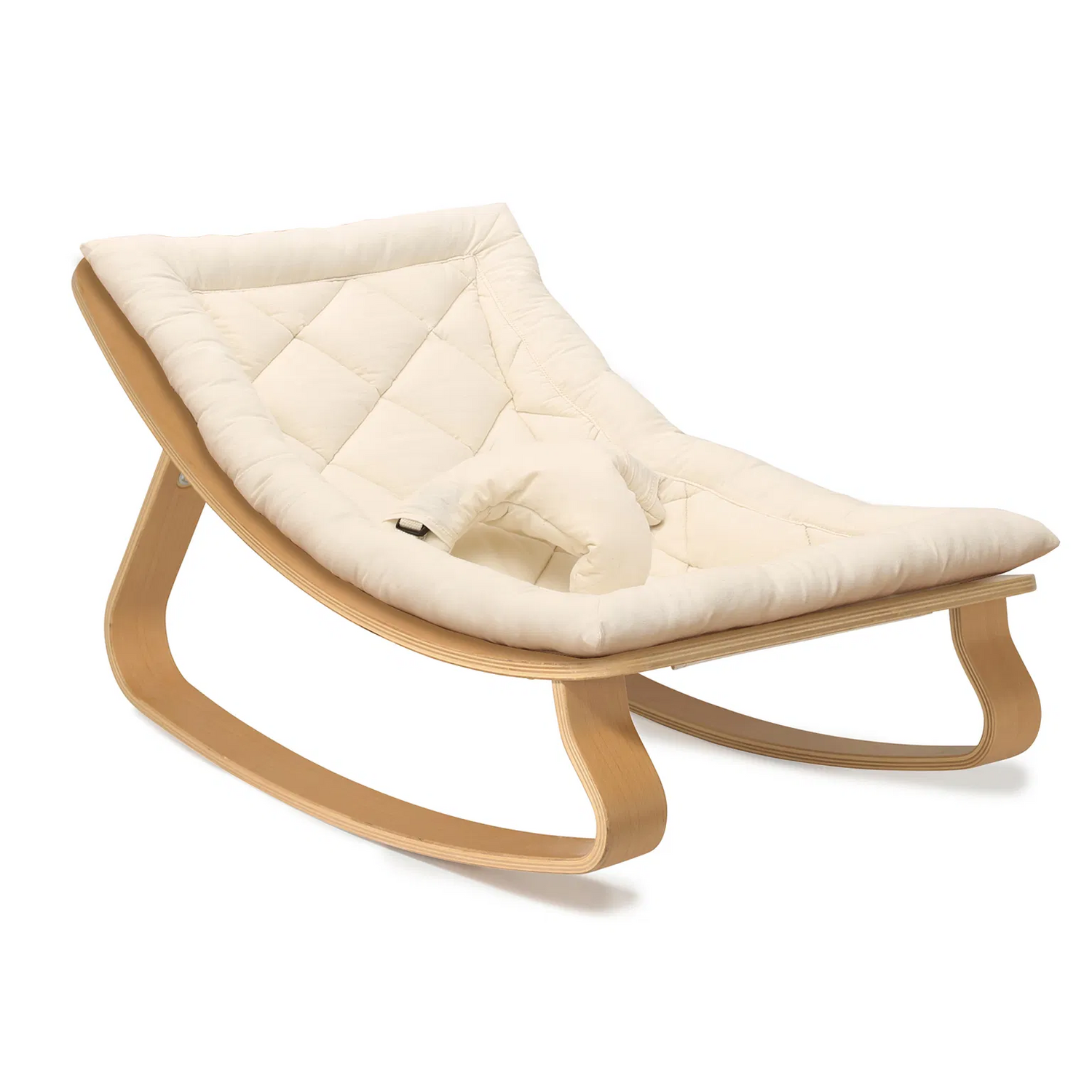
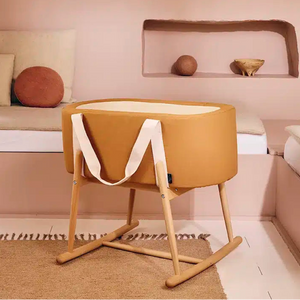
During the very first months, a bassinet or cradle often provides a place for your baby to sleep before the move to a crib. Unlike a classic crib, bassinets do not come in one standard size: common dimensions are around 40x80 cm, sometimes 40x90 cm or 45x90 cm, depending on the model. Check the exact size before choosing a matching mattress.
The main benefit of this compact size is its cocoon-like feel: a snug space reminiscent of the closeness of the final months of pregnancy, which may help a baby settle to sleep more peacefully. Lightweight and often fitted with handles, a bassinet is easy to move from room to room.
For safety, the same principles apply as for a crib: a firm mattress that fits perfectly, with no gaps at the sides. This stage is short: as soon as your baby starts rolling over or becoming more mobile, it’s time for a roomier, convertible crib.
Why does a crib mattress need to fit properly?
A properly fitting mattress is not just a matter of comfort; it’s a vital safety consideration. If there is a gap between the mattress and the slats, a child’s arm or head could slip into it and become trapped. Manufacturers address this risk by matching mattress dimensions to crib dimensions, whether 60x120 or 70x140 cm.
To check the fit, one simple step is enough:
- slide your hand between the mattress and the frame on all four sides;
- if it slips in easily, the mattress is not the right size for the crib;
- a properly sized mattress supports a child’s body evenly for more restful sleep.
That’s also why we favor natural, breathable materials at Charlie Crane: your baby’s well-being begins with a space that fits just right. For families planning ahead, our collection of baby beds makes it easier to prepare for the move to a toddler bed without compromising on style or comfort.
NF EN 716 baby mattress safety standards
The NF EN 716 standard governs the manufacture of all cribs sold in France, whether 60x120 or 70x140 cm. It requires spacing between slats of 4.5 to 6.5 cm, so a child’s head or arm cannot become trapped, as well as a minimum height from the mattress to the top of the crib to reduce the risk of falls. These requirements apply regardless of the size chosen.
For families, the simplest guide is the manufacturer's label: it should state that the bed complies with this standard. At Charlie Crane, safety is an integral part of the design: a well-built bed made from European wood, paired with a perfectly fitting mattress, provides the foundation for restful sleep for children and peace of mind for parents.
New baby mattress standards for 2026
No major regulatory overhaul has changed the existing framework: the NF EN 716 standard remains the reference for 60x120 cm and 70x140 cm sizes. What is changing is how people choose: there is growing attention to the exact fit of the mattress in the crib, one of the most closely scrutinized safety criteria at the time of purchase.
Families are also paying closer attention to what mattresses are made of: organic cotton, natural fibers, and breathable materials are gaining ground over conventional synthetic foams, driven by demand for transparency about where materials come from. When it comes to dimensions, the 70x140 cm size appeals to more households looking to avoid repeated purchases. Still, no trend replaces the essential check: measure the inside of the crib and choose a mattress that fits precisely, with no gaps around the edges.
What are the standard dimensions of a crib?
In France, two crib sizes are the standard options and shape the entire market:
| Size | Approximate period of use | Key feature |
|---|---|---|
| 60x120 cm | from birth to around 2-3 years, depending on the child’s size | a good fit for small nurseries and shared spaces |
| 70x140 cm | for longer, with the option to convert it into a toddler bed using a low guardrail | twenty extra centimeters in length |
One essential point: the stated dimensions refer to the bed's interior sleeping area, not the outer measurements of the frame. This interior measurement should guide your choice of baby mattress. Other sizes are available, such as bassinets and cradles for the first few months, but they are less common and offer a more limited choice of accessories.
For a nursery designed to last, frames made from European wood—solid pine or beech, depending on the model—provide the strength to support your child through these stages of growth. That’s the idea behind furniture made to last: a sturdy bed base, natural materials, and a size suited to each stage of your child’s sleep.
Frequently Asked Questions
What’s the difference between a 60x120 and a 70x140 cm crib? The 60x120 cm size is the traditional compact option, designed for the early years. The 70x140 cm size offers twenty extra centimeters in length and can be used for longer, with the option to convert it into a toddler bed.
How do you choose the right crib mattress size? Measure the inside of the crib, between the slats, and choose a mattress with matching dimensions and no gaps at the sides. That’s what helps ensure a safe place to sleep.
What standard governs crib safety in France? The NF EN 716 standard specifies, among other things, the spacing between slats and the minimum height from the mattress to the top of the crib, to reduce the risks of entrapment and falls.
When should a baby move from a bassinet to a crib? Once your baby starts rolling over independently or becoming more mobile, a roomier crib is preferable to a bassinet.
Should there be a gap between the mattress and the crib? No: a properly fitting mattress should leave no gaps at the sides, to prevent a child from becoming trapped.


